






In today's digitally-driven world, businesses are constantly seeking innovative ways to enhance their sustainability efforts and reduce their environmental impact. One area where companies can make a significant difference is in their choice of packaging materials. When it comes to mailing bags, two popular options are paper and polythene.
Paper Mailing Bags
Paper mailing bags have gained popularity due to their eco-friendly and biodegradable nature. Paper mailing bags offer several advantages over traditional plastic packaging, making them a sustainable option for businesses and consumers alike.
Sustainability
Renewable & Recyclable
Paper mailing bags are typically made from recycled paper or sustainably sourced materials, such as FSC-certified (Forest Stewardship Council) paper. These materials come from responsibly managed forests, ensuring minimal impact on natural resources. Unlike plastic bags, which are derived from non-renewable fossil fuels, paper is a renewable resource, making it an environmentally preferable choice.
Additionally, paper mailing bags are highly recyclable. They can be easily processed through standard recycling systems, diverting them from landfills and reducing waste. By encouraging consumers to recycle these bags, businesses can contribute to a circular economy, where materials are reused and repurposed rather than discarded.

Reduce carbon footprint
Compared to plastic bags, paper mailing bags have a lower carbon footprint throughout their lifecycle. The manufacturing process for paper bags generally requires less energy and emits fewer greenhouse gases. Additionally, the production of paper bags often involves fewer toxic chemicals than plastic bag manufacturing, further minimizing environmental harm.
The biodegradability of paper mailing bags is a significant advantage. When properly disposed of, paper bags break down naturally, reducing the risk of long-term pollution. In contrast, plastic bags can persist in the environment for hundreds of years, causing harm to wildlife and ecosystems.

Versatility and Customization
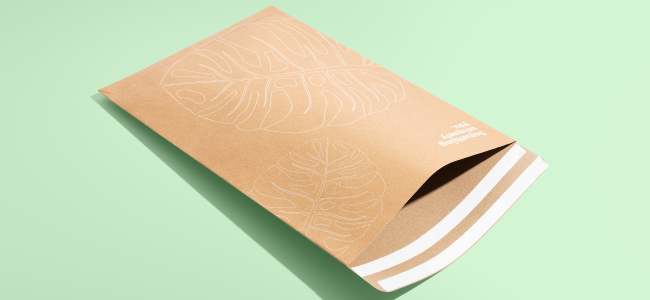
Paper mailing bags offer versatility in terms of design and customization. They can be easily branded with company logos, graphics, and messaging, allowing businesses to create a unique and memorable unboxing experience for their customers. This personalization not only enhances the customer's perception of the brand, but also promotes the reuse of the bags for other purposes, extending their lifespan.
Advancements in paper bag production have resulted in improved strength and durability. Gusseted and block bottoms with sturdy construction ensure that paper mailing bags can withstand the rigors of transportation, providing reliable protection for the products they contain.
Consumer perception and demand
As consumers become increasingly environmentally conscious, their preference for sustainable packaging options continues to grow. Many individuals actively seek out brands that align with their values, making sustainable packaging choices a differentiating factor for businesses. By adopting paper mailing bags, companies can position themselves as environmentally responsible and attract a wider customer base that prioritizes sustainability.
Strength & Protection
Contrary to common misconceptions, modern paper mailing bags offer excellent strength and durability. They are specifically engineered to withstand the rigors of shipping and handling. Reinforced seams and adhesive closures ensure secure packaging, reducing the risk of product damage during transit. Plus, paper bags often feature water-resistant coatings or laminations, providing protection against mild moisture, without compromising their recyclability.
While paper mailing bags offer several advantages in terms of sustainability, there are also others factors to consider.
Durability
Compared to polythene, paper mailing bags may be less durable, especially for heavier or bulkier items. They are more prone to tearing or getting damaged during transit, potentially leading to product damage or returns.
Limited Water Resistance
While many paper mailing bags have water-resistant coatings or laminations, they may not provide the same level of water resistance as poly bags. In situations where significant exposure to moisture is expected during transit, such as rainy weather or long international shipments, there is a higher risk of the contents getting damaged.
Higher Cost
Paper mailing bags generally tend to be more expensive than poly bags. The production process for paper bags, including the sourcing of sustainable materials and manufacturing techniques, can lead to higher costs. This cost difference may impact businesses that have tight budgets or operate on thin profit margins.
Polythene Mailing Bags
Polythene mailing bags, often made from low-density polyethylene (LDPE), have long been a popular choice in the shipping industry. Here are the advantages and disadvantages associated with polythene mailing bags:
Durability
Polythene bags offer excellent strength and resistance to tearing, making them suitable for heavy or bulky items. They provide a reliable protective barrier during transit and minimize the risk of product damage.
Water Resistance
Unlike some paper-based packaging options, poly mailers offer better protection against moisture. This is especially advantageous when shipping items that may be sensitive to water damage or when shipping in regions with unpredictable weather conditions.

Lightweight & Cost-Effective
Polythene mailing bags are generally more affordable than their paper counterparts, making them a cost-effective option for businesses, particularly when shipping large volumes.
The use of poly mailers, although convenient and widely used in the shipping industry, comes with several negative environmental issues.
Environmental Impact
Non-Biodegradable and Persistent Pollution
Poly mailers are typically made from polyethylene, a type of plastic derived from fossil fuels. These plastics are non-biodegradable, meaning they do not break down naturally in the environment. When poly mailers end up in landfills or are improperly disposed of, they can persist for hundreds of years, contributing to long-term pollution and harm to ecosystems.
Plastic Pollution and Microplastics
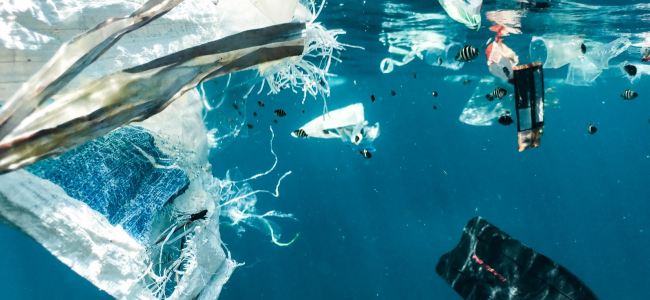
Poly mailers can easily find their way into natural habitats, water bodies, and oceans through littering, improper waste management, or accidental release during transit. They contribute to the pervasive problem of plastic pollution, harming wildlife and marine ecosystems. Over time, poly mailers can break down into microplastics, which can be ingested by marine animals and potentially enter the food chain, posing risks to both wildlife and human health.
Energy and Resource Intensive Production
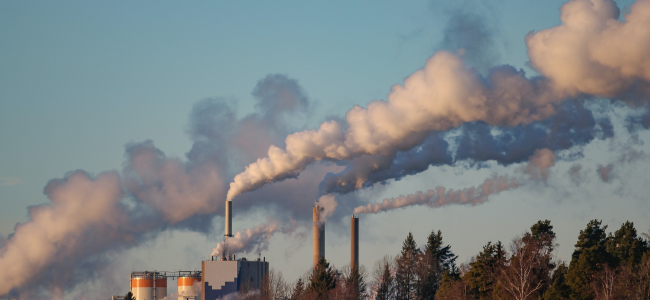
The production of poly mailers requires the extraction of fossil fuels, energy-intensive manufacturing processes, and the release of greenhouse gas emissions. The reliance on non-renewable resources and the energy-intensive nature of plastic production contribute to carbon emissions and exacerbate climate change.
Limited Recycling Options
While some poly mailers can be recycled, the recycling infrastructure for polyethylene plastic is not as widespread or efficient as other materials like paper or cardboard. Additionally, many poly mailers contain multiple layers of different materials (such as bubble wrap or foam padding), which can make recycling more challenging.
In the UK, 600,000 tonnes of LDPE is consumed per year, but total capacity for recycling LDPE in the UK is only 210,000 tonnes. As a result, a significant portion of poly mailers ends up in landfills or incineration facilities, further perpetuating the environmental impact.
Brand Perception
Some environmentally conscious consumers may perceive businesses that extensively use polythene mailing bags as less eco-friendly. This perception could potentially impact brand reputation and customer loyalty.
Choosing between paper mailing bags and polythene mailing bags requires careful consideration of your business's unique needs, sustainability goals, and the nature of the products being shipped. While paper bags align well with eco-conscious initiatives and can enhance brand perception, they may lack the durability and moisture resistance that some businesses require. On the other hand, polythene bags offer superior strength and protection but can raise concerns regarding environmental impact.
Ultimately, businesses should evaluate their priorities, customer expectations, and environmental goals when deciding between paper and polythene mailing bags. Striking a balance between sustainability and functionality is key to making an informed choice that aligns with both your business's values and operational requirements.


