






What is EPR for Packaging?
Extended Producer Responsibility (EPR) for packaging is a UK government scheme that shifts the financial responsibility for managing household packaging waste from taxpayers and local authorities to the businesses that produce and supply packaging. Following the "polluter pays" principle, EPR aims to reduce environmental impact by holding producers accountable for the entire lifecycle of their packaging - from design through to disposal.
The scheme represents a fundamental reform of the UK's approach to packaging waste, replacing the previous Packaging Waste Regulations system with a more comprehensive framework designed to drive sustainable packaging choices and boost recycling infrastructure investment across the UK.
Who Needs to Comply?
EPR obligations apply to any UK business that meets specific turnover and tonnage thresholds. This includes companies that act as:
- Brand owners - supplying packaged goods under their own brand
- Packer/fillers - placing goods into unbranded packaging
- Importers - importing products in packaging to the UK market
- Online marketplaces - facilitating sales for non-UK businesses

Understanding the thresholds
There are three key categories of businesses under EPR:

Micro Businesses (No Obligations)
Annual turnover under £1 million OR Handle less than 25 tonnes of packaging annually
No reporting or payment obligations, but should track packaging volumes to ensure they remain below thresholds

Small Producers (Reporting Only)
Annual turnover between £1-2 million AND handle 25+ tonnes of packaging, OR, Annual turnover over £1 million AND handle 25-50 tonnes of packaging
Obligations:
- Annual data reporting only (no fee payments or RAM assessments required)
- Reporting deadline: 1st April each year for the previous calendar year

Large Producers (Full Obligations)
Annual turnover of £2 million or more AND handle 50+ tonnes of packaging annually
Obligations:
- Biannual data reporting (H1 by 1st October, H2 by 1st April)
- RAM recyclability assessments for all household packaging
- Liable for EPR waste disposal fees and PRN/PERN obligations
Important Note: If your group of companies collectively meets the large producer thresholds, all companies in the group that handle packaging are considered large producers, even if individually they wouldn't meet the criteria.
What is RAM?
The Recyclability Assessment Methodology is a standardised framework that evaluates how easily packaging can be recycled within the UK's current infrastructure. Large producers must assess all household packaging using RAM and report results to environmental regulators.
The RAG Rating System
RAM assigns packaging into three categories:
RED - Difficult to Recycle
- Packaging with specifications that make recycling at scale challenging
- May include multi-layer materials or packaging collected by fewer than 50% of local authorities
Will incur higher modulated fees from 2026 onwards 💰
AMBER - Moderately Recyclable
- May face challenges during collection, sorting, or reprocessing
- May require specialist infrastructure or lead to some material loss
Will pay base fees with no modulation (neutral) 💵
GREEN - Widely Recyclable
- Widely recyclable using existing UK infrastructure
- Collected at kerbside by at least 75% of UK local authorities
Will receive discounted fees from 2026 onwards 💸
RAM Assessment Process
RAM evaluates packaging through five key stages:
The Five Stages of Recyclability Assessment
1. Classification
Identifying material composition and component separability.
2. Collection
Verifying collection accessibility (75% threshold for “widely collected” or 50% for “limited collection”).
3. Sortation
Confirming materials can be sorted through industry-standard technology (e.g., Near Infrared systems).
4. Reprocessing
Assessing whether materials can effectively be reprocessed at scale.
5. Output Quality
Evaluating whether recycled material can replace virgin materials in new products.
Key RAM Requirements for Large Producers
First Assessment Deadline
1st October 2025 (for packaging placed on the market January–June 2025)
Applies To
Household packaging, packaging commonly disposed of in public bins, and glass household drinks containers
RAM Version
RAM v1.1 (published April 2025) — simplified following industry feedback.
Reporting
Submit results via the Report Packaging Data (RPD) portal.
Regulatory flexibility for 2025: Environmental regulators have issued a position statement allowing producers to extrapolate H1 2025 recyclability data from H2 2025 assessments, providing some breathing room during the transition year.
EPR Fees: What You'll Pay
Two Types of Costs
Under EPR, large producers face two separate cost obligations:
PRNs / PERNs (Packaging Recovery Notes)
- Continuation of the existing PRN system
- Evidence that packaging waste has been recycled
- Purchased from accredited reprocessors and exporters
- Prices fluctuate with market supply and demand
- Apply to both household and non-household packaging
EPR Waste Disposal Fees (From October 2025)
- Government-set charges for household packaging waste management
- Fund local authority collection, sorting & disposal
- Contribute to PackUK administration & communication campaigns
- Apply to household packaging, public-bin waste & glass drinks containers
- Calculated based on previous year’s tonnage placed on market
Base Fees by Material

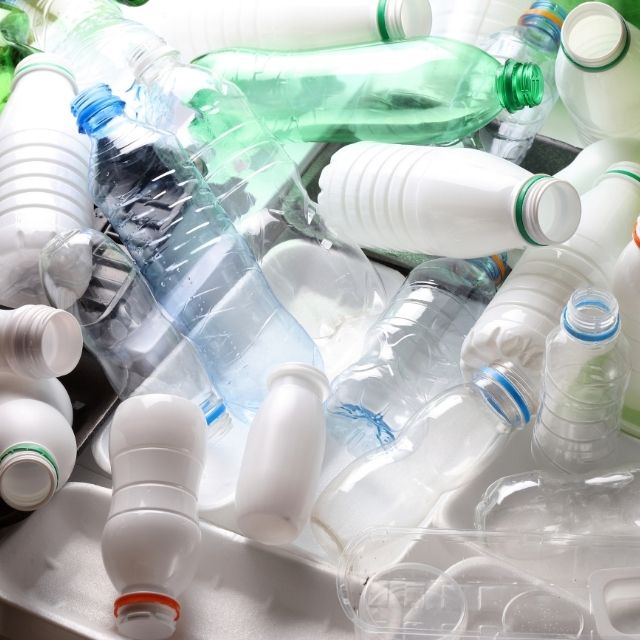

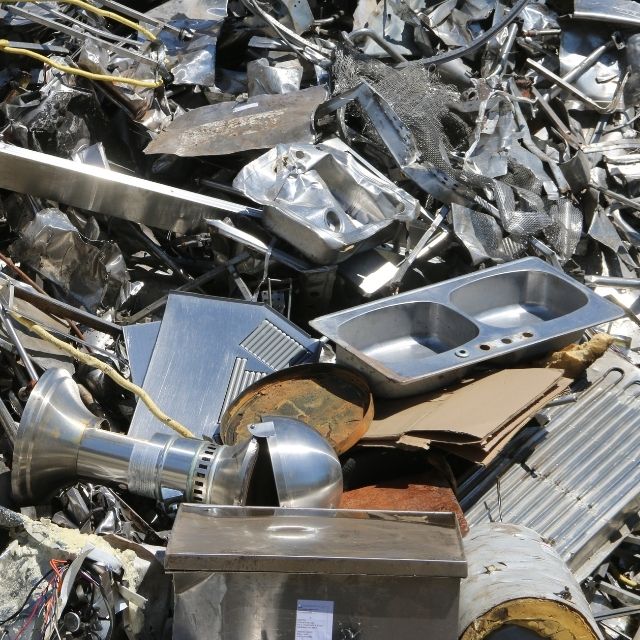
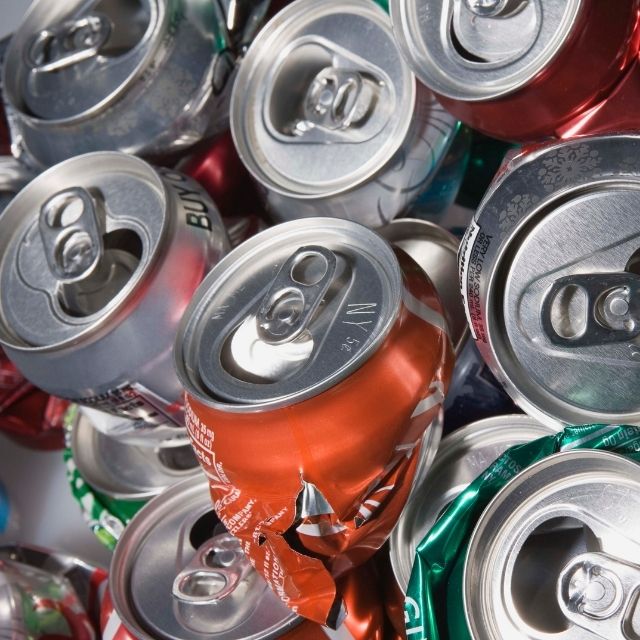

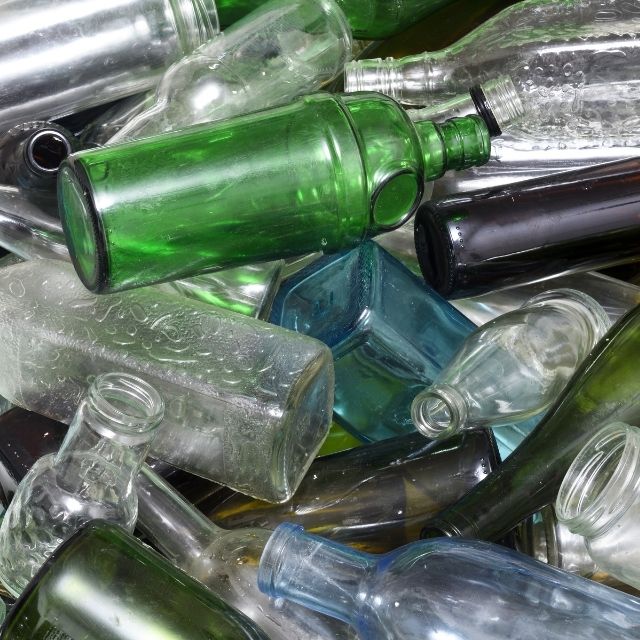

Note: Most fees decreased from earlier illustrative figures, with glass seeing the steepest reduction of 20%. This reflects high industry compliance and data validation work between PackUK and regulators.
Fee Modulation from 2026
Starting with invoices in October 2026 (based on 2025 packaging data), fees will be modulated based on RAM ratings:
🔴 Red-rated Packaging
Red materials will face progressive fee increases:
🟡 Amber-rated Packaging
Amber materials will continue paying standard base fees with no modulation.
🟢 Green-rated Packaging
Green materials will receive percentage-based discounts, funded by the additional revenue generated from red-rated packaging.
All green materials across categories get the same discount level.
Medical packaging exemption: Packaging that falls into the red category due to regulatory requirements can be reported as amber to avoid fee modulation.
📅 Payment Timeline
October 2025 (covering 2024 packaging data)
50 days to pay in full, or opt into a 4-instalment plan via Stripe
The greater of 5% of the outstanding amount or £100
⚠️ Important Payment Rules
EPR charges are statutory debts — not commercial invoices. This means they cannot be disputed in the same way supplier invoices can.
Payments support the national household packaging waste system through PackUK.
Turning EPR Into an Opportunity
While EPR introduces new costs and compliance requirements, forward-thinking businesses can use it as a catalyst for positive change. Here's how to transform EPR from a regulatory burden into a competitive advantage:
1. Optimise Material Choices for Lower RAM Ratings
The RAM system incentivises choosing more recyclable materials:
- Switch to mono-materials rather than multi-layer composites
- Select widely-collected materials like cardboard, paper, clear PET, or aluminium
- Avoid inks, coatings, or labels that interfere with recycling
- Use materials with established UK recycling infrastructure
Example: Replacing mixed-material flexible packaging (likely red-rated at 2.0x fees by 2028) with a paper-based alternative could reduce EPR fees by 50–70% per tonne while improving sustainability credentials.

2. Right-Size Your Packaging
Reduce packaging weight to lower fees:




Cost benefit: 20% reduction in packaging weight = 20% reduction in EPR fees + material and transport savings.

3. Minimise Overspecified Packaging
“Many businesses over-package due to legacy assumptions.”
- Conduct drop testing to confirm protection needs
- Review historical damage rates
- Eliminate unnecessary components
- Simplify multi-material constructions

4. Improve Supply Chain Transparency
“Transparent packaging data reduces errors, prevents non-compliance, and improves recyclability reporting.”
- Engage with packaging suppliers to obtain full material specifications
- Document packaging weights and materials for every SKU
- Include sustainability criteria in supplier selection
- Request recyclability assessments as part of agreements
If you buy from us, our team can help you gather the product information and supplier evidence available for your Priory Direct packaging to support this.
5. Communicate Your Sustainability Leadership




6. Plan Ahead for Cost Management
With modulation ramping up through 2028, early action delivers compounding benefits:
Practical Next Steps
📦 For All Businesses Handling Packaging
- Determine your category (turnover + packaging tonnage)
- Register with DEFRA if required
- Set up systems to track packaging weights & materials
- Consider a compliance scheme (Valpak, EcoSurety, Clarity)
📘 For Small Producers
- Submit annual data by 1st April each year
- Track packaging improvements for future obligations
- Consider applying RAM principles voluntarily
📊 For Large Producers
- Set up biannual reporting (April & October deadlines)
- Begin RAM assessments for all household packaging
- Identify high-cost red-rated materials
- Develop a packaging optimisation roadmap
- Budget for October 2025 base-fee invoices
- Prepare for 2026 modulated fees early

Working with Priory Direct
As your packaging partner, Priory Direct can support your EPR compliance and optimisation journey:
- RAM-optimised packaging recommendations tailored to your products and budget
- Right-sizing analysis for material and cost efficiency
- Green/amber-rated sustainable material alternatives
- Technical support for packaging specifications and testing
- Product information and supplier evidence to support your EPR data collection — see how we can help
📞 Get Expert Support
Contact us to discuss how we can help you turn EPR into an opportunity for cost savings and sustainability leadership.
📞 Get EPR & PPWR supportKey Resources
- DEFRA Registration Portal
- Report Packaging Data (RPD) Portal – where you submit data & manage PRNs
- RAM Guidance
- PackUK – scheme administrator for EPR fees & guidance
- Environment Agency – enforcement & compliance monitoring
🗓️ Key Dates & Critical Timeline
EPR Regulations Come Into Force 🚀
RAM assessments begin for packaging regulations
First Reporting Deadline 📝
Annual deadline for small producers; biannual for large producers
RAM Reporting Deadline 📦
First RAM submission for large producers (H1 2025 data)
First EPR Fee Invoices 💳
Invoices issued to large producers based on 2024 data
Modulated Fees Begin 📈
Fees adjusted based on RAM ratings for 2025 packaging
Maximum Red-Rated Fee 💰
Red-rated packaging reaches 2.0× base fees
This guide provides an overview of EPR for packaging regulations. For specific compliance advice, consult with your environmental regulator or a qualified compliance scheme. Priory Direct supports customers with sustainable packaging solutions but does not provide formal EPR compliance services.
About Priory Direct:
As a certified B Corp, we supply sustainable packaging to over 16,000 ecommerce brands across the UK. From third-party logistics providers to sole traders, we deliver improved commercials, continuity of supply, and sustainability on packaging supplies. Contact us to discuss how we can support your EPR journey.


