






Companies across industries are seeking ways to adopt more eco-friendly approaches in their operations, and packaging is no exception.
Cardboard packaging, while widely used for its versatility and affordability, often raises questions about its environmental footprint. From production to disposal, cardboard packaging can have significant implications for the environment, including deforestation, energy consumption, and waste generation. However, the good news is that there are numerous strategies and innovations available to businesses to make their cardboard packaging more sustainable.
Use Recycled Materials
Using recycled materials in eco friendly packaging is a smart and sustainable choice for businesses. Recycled cardboard is beneficial for a circular economy and waste reduction. Recycled cardboard can be used up to seven times, making it a highly reusable material. When its fibres become too short for packaging, they can be mixed with other materials to create newsprint or gift wrappers.
Choosing recycled reduces the need for virgin raw materials, and can have a positive environmental impact and influence on forest conservation. Did you know, for every ton of paper recycled, 17 trees are saved?
Reduce Packaging Size
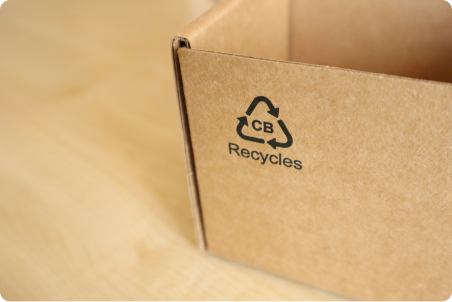
Reducing packaging size and opting for the right-sized packaging are effective strategies for businesses to enhance the sustainability of their cardboard packaging. Reducing the size of your packaging and ensuring you right-size your packaging is a cost-efficient way of improving sustainability into your business. Right-sized packaging will directly contribute to lowering carbon footprint through minimising the need for excess filler materials and reducing waste. Make sure to evaluate your packaging and remove any unnecessary components. For example, if a product doesn’t require a cardboard box and a mailing bag, eliminate one. This reduces waste and makes the packaging easier to recycle. Measure your products accurately and use search by size to find the correct size packaging.
By only using the necessary amount of materials, companies can stretch their materials further, pack more products for the same cost as fewer products using standardised box sizes.

Use Eco-Friendly Printing Techniques
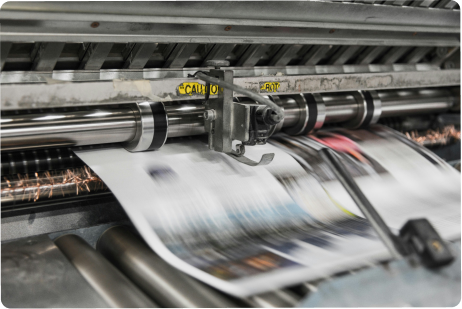
Businesses can improve the eco-friendliness of their cardboard packaging by adopting environmentally conscious printing techniques. Traditional printing processes often involve the use of harmful chemicals and excessive energy consumption, contributing to pollution and resource depletion. However, there are several eco-friendly alternatives available that can minimise the environmental impact of printing while maintaining high-quality results.
One such option is the use of soy-based or vegetable-based inks, which are derived from renewable resources and produce fewer volatile organic compounds (VOCs) compared to petroleum-based inks. These inks not only reduce air pollution but also offer vibrant colours and excellent print quality. Additionally, businesses can explore water-based inks, which have lower levels of VOC emissions and are biodegradable, further reducing their environmental footprint.
Adopting digital printing technologies can significantly reduce waste and energy consumption compared to traditional offset printing methods. Digital printing allows for on-demand printing, eliminating the need for large print runs and excess inventory. This not only reduces paper waste but also minimises the use of harmful chemicals and energy-intensive processes associated with traditional printing. By embracing eco-friendly printing techniques, businesses can ensure that their cardboard packaging aligns with their sustainability goals and contributes to a greener, more environmentally responsible supply chain.
Educate Consumers
Educating consumers about sustainable packaging practices is key to driving widespread change and fostering a culture of environmental consciousness. Many consumers are becoming increasingly aware of the environmental impact of their purchasing decisions and are actively seeking products packaged in a sustainable manner. However, there is still a need for greater awareness and understanding among consumers about the importance of sustainable packaging and how they can contribute to positive change.
Businesses can play a crucial role in educating consumers by providing transparent information about their packaging choices and the environmental benefits of opting for sustainable alternatives. This can be done through clear labelling, informative product packaging, and engaging marketing campaigns that highlight the company's commitment to sustainability. Additionally, businesses can leverage their online platforms and social media channels to share educational content, tips, and resources to help consumers make informed choices.
Businesses can collaborate with environmental organisations, NGOs, and industry partners to amplify their educational efforts and reach a wider audience. By working together to raise awareness about the benefits of sustainable packaging and the importance of reducing waste, businesses and consumers can drive meaningful change and contribute to a more sustainable future. Through education and advocacy, we can empower consumers to make conscious decisions that prioritise the health of our planet and support businesses that share their values of sustainability and environmental stewardship.

Choose Sustainable Suppliers
Selecting sustainable suppliers is a fundamental aspect of enhancing the sustainability of cardboard packaging within businesses. When sourcing materials from suppliers, it's essential to prioritise those who share a commitment to environmental responsibility and ethical practices. This entails conducting thorough research to assess suppliers' sustainability credentials, including their use of recycled materials, energy efficiency measures, waste management practices, and adherence to environmental regulations.
As a certified B Corp, we're proud to be doing good for the planet, meeting B Labs standards of social and environmental performance, transparency, and accounitability. By becoming B Corp, we have built the world's best ESG framework into our business, ensuring we're committed to staying and becoming more sustainable in the future.
Collaborating with sustainable suppliers not only helps businesses reduce their environmental impact but also fosters a more resilient and ethical supply chain. By forging partnerships with suppliers who prioritise sustainability, businesses can drive positive change throughout the entire production process, from sourcing raw materials to manufacturing and distribution. Working closely with sustainable suppliers provides opportunities for innovation and collaboration, enabling businesses to explore new eco-friendly materials, technologies, and packaging solutions that align with their sustainability goals.
We are also a Sedex registered company - Sedex set the standard for supply chain transparency, sustainability, and ethics. Used by over 75,000 businesses worldwide, being a Sedex members ensures their supply chains are slavery free, transparent, and as a sustainable as possible.
Ultimately, choosing sustainable suppliers is not just about meeting environmental targets but also about building long-term relationships based on shared values and a mutual commitment to sustainability. By making conscious choices about where they source their materials, businesses can make a significant contribution to reducing the environmental footprint of their cardboard packaging and creating a more sustainable future for all.
Continually Innovate
Continual innovation is essential in the journey towards more sustainable cardboard packaging. As technology evolves and new materials and techniques emerge, businesses have the opportunity to explore innovative solutions that further reduce the environmental impact of their packaging. This could involve investing in research and development to discover alternative materials that are biodegradable, compostable, or even edible, thereby minimising waste and pollution throughout the packaging lifecycle.
Embracing cutting-edge design concepts and technologies can lead to the development of packaging solutions that are not only eco-friendly but also functional, practical, and aesthetically pleasing. For example, incorporating minimalist designs that use less material or exploring modular packaging options that allow for easy reuse and recycling can help businesses create packaging that is both sustainable and consumer-friendly. Additionally, leveraging smart packaging technologies, such as QR codes or RFID tags, can enable businesses to provide consumers with valuable information about recycling instructions, product origins, and environmental impact, empowering them to make more informed purchasing decisions.
By continually innovating and pushing the boundaries of sustainable packaging practices, businesses can stay ahead of the curve and demonstrate their commitment to environmental stewardship. Whether through materials innovation, design optimization, or technological advancements, each step towards greater sustainability brings us closer to a future where cardboard packaging not only protects products but also preserves the planet for generations to come.

Making your cardboard packaging more sustainable is not only good for the environment, but it’s also good for business. Consumers are increasingly looking for brands that align with their values, and sustainability is high on their list. By adopting these strategies, you can reduce your environmental impact and appeal to eco-conscious consumers. Remember, every little bit helps when it comes to making positive and impactful changes. If you have any questions about how to make your packaging more sustainable, you can contact us - we're happy to help!


