






Recycling is crucial for reducing waste and minimising our environmental impact. In the UK, efforts to recycle paper and cardboard have seen significant progress over the years, and is increasingly important with growing packaging usage from products like cardboard boxes, postal boxes, or paper mailers. Let's take a look at the recycling rates, challenges, and future prospects for these materials.
Current Recycling Rates
Annual Consumption: The UK consumes almost 10 million tonnes of paper each year.
Recycling Rate: As of 2021, paper and cardboard are the third most recycled materials in the UK, following metal and glass. The recycling rate for paper and cardboard stands at an impressive 70.6%. This means that approximately 70.6% of paper and cardboard waste generated is diverted from landfills and recycled.
Cardboard Recycling
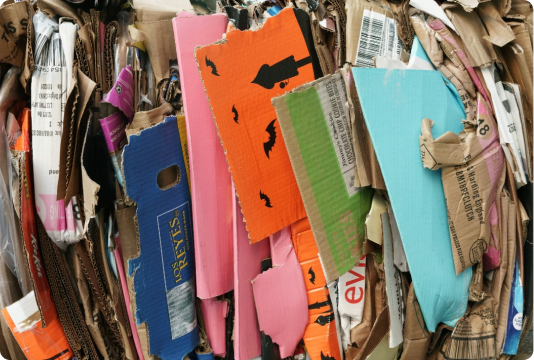
Household Generation: In 2021, households in the UK generated about 5.4 million metric tons of cardboard packaging. Around 5 billion corrugated cardboard boxes are used in the UK per year, which equates to 83 boxes per person.
Recovery Rate: Approximately 71% of this cardboard packaging was recovered through recycling. This demonstrates a commendable effort in diverting cardboard waste away from disposal sites.
Challenges and Opportunities
Challenges
Quality of Recycling: Maintaining high-quality recycling is essential. Contaminated paper and cardboard can hinder the recycling process.
Consumer Awareness: Educating the public about proper recycling practices is crucial. Many people are unaware of the correct way to recycle paper and cardboard.
Policy and Infrastructure: The UK needs robust policies and improved recycling infrastructure to sustain and enhance recycling rates.
Opportunities
Innovation: Investing in innovative technologies can improve recycling efficiency.
Circular Economy: Promoting a circular economy encourages the use of recycled materials in new products.
Collaboration: Partnerships between local authorities, businesses, and citizens can drive better recycling practices.
Recent Innovations
Advanced Sorting Technologies
One of the most significant leaps in paper recycling efficiency comes from the implementation of advanced sorting technologies. These technologies allow for more accurate separation of different types of paper and cardboard, improving the quality of recycled materials. By using sensors and AI-driven systems, recycling facilities can better sort and process paper waste, reducing contamination and enhancing overall recycling rates.
Chemical De-Inking Breakthroughs
De-inking, a pivotal step in the paper recycling process, has also witnessed groundbreaking innovations. Researchers and companies are developing more efficient de-inking methods that remove ink and other impurities from recycled paper fibres. These advancements contribute to higher-quality recycled paper products.
Portable Paper Recycling Stations
To encourage paper recycling at the community level, portable paper recycling stations have been introduced. These stations make it easier for people to recycle paper, reducing waste and preserving natural resources. By placing these stations in public spaces, schools, and offices, we can increase paper recycling rates and create a more sustainable environment.
Bamboo Paper
Bamboo, a fast-growing and renewable resource, is being explored as an alternative to traditional wood pulp for paper production. Bamboo paper has several advantages, including faster growth cycles, reduced environmental impact, and high-quality fibres. It’s a promising innovation in sustainable paper production.

Future Outlook
While the UK has made significant strides in paper and cardboard recycling, there’s room for improvement. Continued efforts to raise awareness, improve infrastructure, and engage the public will contribute to even higher recycling rates.
Growing Awareness and Government Initiatives
- Environmental awareness is on the rise, and governments worldwide are actively promoting recycling practices.
- The waste paper recycling market is expected to experience steady growth, with a projected compound annual growth rate (CAGR) of around 7% from 2022 to 2030.
- As consumers become more conscious of their environmental impact, demand for recycled paper products will continue to increase.
Technological Advancements
- Continued research and development will lead to even more efficient recycling processes.
- Innovations in sorting technologies, de-inking methods, and material recovery will enhance the quality of recycled paper and cardboard.
Market Expansion
- Packaging, tissue papers, and pulp for hygiene products are growing markets within the paper industry.
- Pulp for textile applications is also gaining traction.
- Additionally, ongoing efforts to find new applications for wood and its components are taking place in labs and development centres.


