






The Christmas countdown is well and truly on, and as we dust off our favourite holiday traditions, it's time to take a look at what’s in store for this festive season 2023. We’ll be unwrapping the trends and habits that define how consumers are approaching spending during this most wonderful time of the year.
Seasonal Spending
In the landscape of Christmas shopping in the UK, we've seen interesting changes in consumer behaviour. The holiday season witnessed a peak in sales at an impressive £84.17 billion in 2021, showcasing the festive spirit in full swing. However, the previous year, 2020, painted a different picture as the grip of the COVID-19 pandemic and ensuing lockdown measures led to a noticeable dip in Christmas retail sales, settling at £79.7 billion. Fast forward to the present, and the forecast for 2023 brings a promising outlook. Projections hint at a potential surge in retail sales, with expectations reaching £84.9 billion, indicating a resilient growth of 3.3 percent from the festive spend of 2021.
Forecasted sales figures for the United Kingdom ranked as the highest in Europe, with expected sales worth roughly £9 billion more than those in second-placed Germany. The most wonderful time of the year is also the most expensive for the UK, with predicted spend per capita at £767.54

As the festive season approaches, the retail landscape in the United Kingdom sees December emerge as the pinnacle of sales figures, witnessing a substantial surge in the volume of retail goods sold — outshining every other month in the annual calendar. With an anticipation of sales and discounts, this year many have chosen to delay their spending.
Merry Metrics: Online vs in store
Projections indicate an increase in the total retail spending, both online and in stores, reaching £84.90 billion in 2023. During the holiday season, spanning the six-week stretch from mid-November to the end of December, online sales take centre stage, poised for growth compared to the preceding years. Despite the digital dance, the bricks-and-mortar stores remain the heart of Christmas commerce, with a forecasted generation of over £54 billion in 2023. This figure signifies a preference for in-store experiences, outshining online sales by roughly £23 billion.
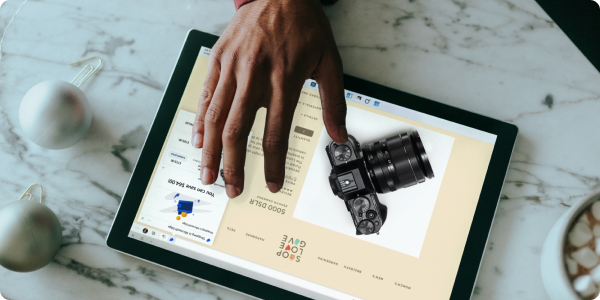
We’ve seen that most of the revenue in the festive period is store-based, however, 74% of consumers stated that they buy their Christmas gift in online stores. Whether this is due to convenience, availability, or environmental factors, is seems online shopping is still extremely popular and doesn't look to change any time soon.
A notable 48% of shoppers choose to purchase their festive gifts separately through various specialized platforms. On the flip side of the gifting spectrum, 42% of respondents opt for a unified approach, expressing a preference to buy all their Christmas gifts through a single platform. For them, simplicity and streamlined shopping is the winner. One-stop-shopping becomes not just a convenience but could be deliberate strategy to efficiently navigate the bustling holiday marketplace.
Wrapping up the Numbers
It's evident that the landscape of holiday spending is shaped by both tradition and adaptation. The resilient growth in projected retail sales, with an anticipated £84.9 billion spend, reflects the gift giving seasion despite the fluctuations witnessed in recent years.
The UK, leading in festive expenditures across Europe, anticipates a noteworthy per capita spend of £767.54, showcasing the significance of the season in the hearts and wallets of consumers. While online shopping continues to surge, despite the convenience and popularity, traditional in-store experiences still holds a special place in the festive traditions of many.
References
All data and information correct at time of publishing, sourced from Statista UK Christmas Shopping


