






In 2023, global ecommerce sales reached $6.3 trillion, up from $4.28 trillion in 2020. The surge in online shopping has brought a dramatic increase in packaging material usage, from boxes to bubble wrap, and the impacts on waste streams are significant.
Online shopping requires extensive packaging to protect products in transit, often using far more material than traditional retail stores, and more material than actually needed. Statista 2021 report showed that ecommerce packaging is responsible for more than 30% of the solid waste generated globally. With millions of parcels being delivered daily, this is no surprise. The environmental cost of these materials is staggering - both in terms of production and disposal.
A breakdown of common materials used in ecommerce packaging reveals some alarming statistics:
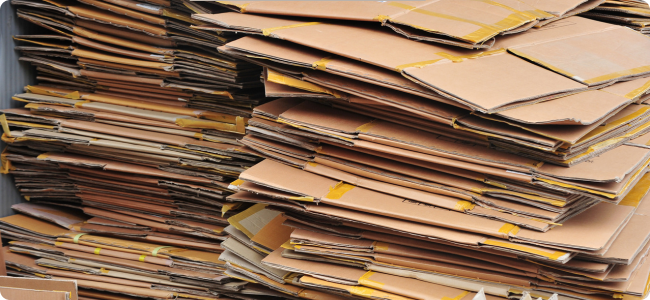
- Cardboard and paper: Global demand for cardboard increased by 5.2 million tonnes between 2020-2021 alone, largely due to ecommerce growth. While recyclable, the actual recycling rates are inconsistent across countries.
- Plastic packaging: Stretch wrap, air pillows, bubble wrap, and plastic lined mailers are widely used in ecommerce in the US alone in 2021, much of which will take hundreds of years to degrade in landfill.
Consumer Demand vs Sustainable Packaging
The convenience of online shopping has led to a rise in single-item orders, resulting in a sharp increase in packaging waste per capita. Data from a 2022 study by the Environmental Paper Network indicates that ecommerce companies generate four times more packaging waste per order compared to traditional retail.
At the same time, consumers are increasingly aware of the environmental impacts of their purchases, with 77% of consumers expressing concern about plastic waste (2022 Ipsos survey). Unfortunately, convenience tends to trump sustainability in purchasing decisions, which means that we need to put the onus on ecommerce companies to take greater responsibility in adopting more sustainable practices to keep in line with growth and meet consumer demands.
The Impact on Recycling Systems
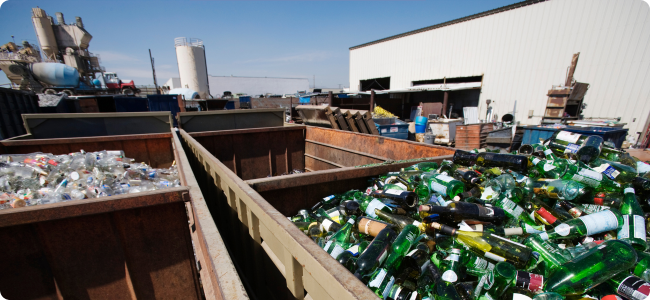
The recycling systems in many countries are struggling to keep up with the sheer volume of packaging waste. Not all packaging is recyclable, and even materials that can be recycled often end up in landfills due to contamination or lack of proper recycling infrastructure. Figures show that whilst ecommerce has grown almost 40% over the past 10 years, municipal recycling rates in England have flatlined during the same period, growing by just 0.3% between 2020-2021 and remaining between 44-46% for the past 11 years.
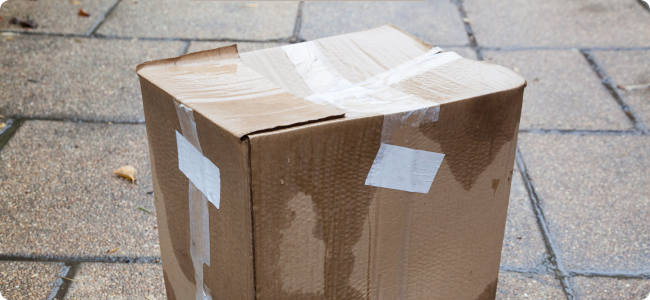
Whilst cardboard is theoretically recyclable, once wet it cannot be recycled. Moisture significantly weakens cardboard fibres making it harder to mesh together after pulping to create new cardboard. Wet cardboard also clogs machinery and increases the weight of recycling loads, which makes the process costly. In turn, this reduces the value for paper and cardboard recycling centres. Coming into winter months, it’s important that households keep the 300,000 tonnes of cardboard waste generated each year over the festive period dry. It’s also important to remove anything stuck onto boxes, like tape, labels, grease, and glitter, as not all of these can be separated during the recycling process and significantly increases the amount of cardboard discarded and sent to landfill.
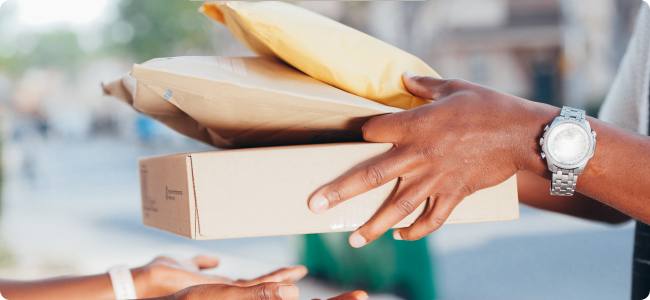
Soft plastics such as bubble wrap, mixed material mailers, and poly mailers, are typically not accepted by standard curbside recycling programmes. Poly mailers and bubble wrap, though made from recyclable plastics, are problematic for municipal recycling systems. They can easily become tangled in the machinery at recycling facilities, causing equipment malfunctions and delays. Curbside recycling programmes exclude these materials to avoid this, and advise consumers to refer to designated collection points.
Across the UK, the current capacity for plastic film recycling is approximately 220,000 tonnes per year, yet less than 5% of this capacity is allocated for municipal film recycling, despite households generating around half of the country’s 665,000 tonnes of plastic packaging waste annually.
Without additional investment in already strained recycling facilities, much of the rising domestic packaging waste will have no alternative but to end up in landfills. People need to be informed on the lack of recycling capacity in the UK to put pressure on the government and local authorities to act and invest.
The Role of Ecommerce Giants
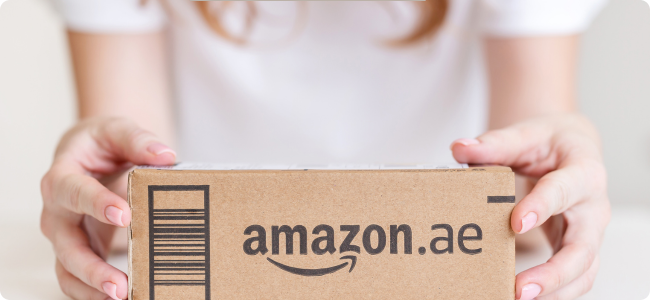
Major players in the ecommerce industry, such as Amazon and Alibaba, are both contributors to and potential solvers of this issue. Amazon, for instance, shipped over 7 billion packages in 2021, producing an estimated 465 million pounds of plastic packaging waste. However, it has also introduced programs like Frustration-Free Packaging, which aims to reduce waste by shipping items in recyclable boxes without unnecessary fillers.
Despite such initiatives, most ecommerce companies remain far from fully sustainable. A 2021 report from Oceana found that less than 5% of ecommerce companies had clear, actionable plans to reduce their plastic footprint. However, there is growing pressure from consumers and governments for companies to make changes. In the UK, the Plastic Packaging Tax was introduced in 2022, encouraging businesses to reduce their use of non-recyclable materials. The tax applies to any finished plastic packaging designed to be suitable for use in the supply chain, single-use by the customer, and any finished plastic packaging manufactured in, or imported into the UK where the plastic used in it's manufacture is made from less than 30% recycled plastic. If the plastic packaging consists of less than 30% recycled plastic, then a tax rate of £200 per tonne will be charged. Businesses are exempt from paying tax if they manufacture or import less than 10 tonnes of plastic packaging within a 12 month period.
The Path Forward: Sustainable Solutions
The good news is that sustainable packaging solutions are becoming more widely available. Innovations such as biodegradable mailers, mushroom-based packaging, and fully recyclable cardboard solutions are gaining traction in the market. But for a meaningful impact, widespread adoption of these alternatives by ecommerce companies is essential.
Here are a few ways businesses can reduce their packaging waste:
Right-sizing packaging: Reducing excess space in boxes and using appropriately sized packaging materials can significantly reduce waste and the amount of material used per shipment. Amazon is notorious for sending products in packaging far too large for the product, this cost of shipping air means wasted space in transit vehicles, resulting in a need for more deliveries and greater carbon pollution.
Sustainable materials: Switching from plastic to biodegradable or fully recyclable alternatives—such as paper-based or compostable mailers—can help reduce the long-term environmental impact. A simple swap from BPA coated labels to phenol-free labels can be a great first step. Thermal labels commonly used for shipping are often coated with Bisphenol A (BPA), a chemical linked to environmental and health risks. BPA can leach into the environment when packaging is discarded, contaminating soil and water, and posing long-term exposure risks to humans and wildlife. Phenol-free thermal labels, such as those made without harmful chemicals, offer a safer and more sustainable alternative.
Closed-loop systems: Brands can implement programs that allow customers to return packaging for reuse or recycling, cutting down on waste and improving the life cycle of materials. This approach contrasts with the traditional linear model, where products are used once and discarded. In ecommerce, a closed-loop packaging system allows customers to return packaging materials—such as boxes, mailers, or containers—so they can be cleaned, refurbished, and reused for future shipments. Closed-loop systems align with the principles of a circular economy, where products and materials are kept in use, minimising the extraction of new resources and the creation of waste. Loop is a prime example of a large-scale closed-loop system. It partners with major brands like Procter & Gamble, Nestlé, and Unilever to offer everyday products in reusable packaging. After consumers receive their items in durable, reusable containers, they return the empty packaging to Loop for cleaning and refilling. Loop aims to eliminate the concept of packaging waste by making reuse a part of the shopping experience.
Minimalist packaging: Some companies are already embracing minimal or no-packaging options, such as reusing original product boxes or eliminating unnecessary layers of wrapping. It’s about reducing layers of unnecessary wrapping, oversized boxes, and overuse of filler materials, which are often used more for presentation than practicality. By embracing minimalist packaging, ecommerce brands can cut down on waste, lower shipping costs, and reduce their carbon footprint. A 2022 survey by DS Smith found that 86% of consumers consider excess packaging a waste, and 55% are less likely to repurchase from brands that over-package their products. By minimising packaging, brands can meet consumer demands for sustainability without sacrificing product protection. Brands like Patagonia, known for their commitment to sustainability, have streamlined their packaging to be as minimal and eco-friendly as possible and made from 100% recycled paper. Cosmetics brand Lush sells many of its products such as shampoo and soap bars completely package-free, or in minimal, compostable wraps.

Clear Communication: Consumers are often left with little guidance and without convenient recycling options. There is a need for effective communications and public engagement around household recycling. A new study by Sapio Research found that 61% of respondents rely on information on packaging to keep them informed of correct disposal, yet only 38% find logos helpful in choosing how to dispose of packaging and only 27% choosing the proper disposal method.
A Shared Responsibility
Addressing the problem of ecommerce packaging waste requires action on all fronts—government regulations, company-led initiatives, and consumer responsibility. Governments can continue to pass legislation to encourage the use of sustainable materials, while ecommerce companies need to prioritise waste reduction and innovation in packaging solutions.
Consumers, too, have a role to play by supporting brands that make eco-conscious decisions and by reducing unnecessary orders that lead to excess waste. Each small change, from opting for consolidated shipping to choosing businesses with sustainable packaging practices, can help in reducing the environmental burden.
The growth of ecommerce has made packaging waste one of the most pressing environmental challenges of our time. With ecommerce forecast to continue growing—set to exceed $8.1 trillion by 2026—it’s clear that sustainable packaging solutions are no longer optional. They’re essential. Balancing consumer convenience with environmental responsibility is a complex challenge, but it’s one that can no longer be overlooked if we want to curb the growing tide of packaging waste.
By investing in innovative, sustainable solutions and educating consumers, ecommerce can evolve into a more responsible sector—one that meets the needs of both people and the planet.


