






The recent buzz around sustainability has led many individuals and businesses to reevaluate their environmental impact, including their choice of packaging materials. While there's a growing awareness of the importance of eco-friendly packaging, there's also a common misconception that sustainable packaging is inherently more expensive. But is that really the case?
Why is sustainable packaging affordable?
Lighter Materials
Sustainable packaging often utilises lighter materials, which can reduce transportation costs. When packaging is lighter, it requires less energy to transport, resulting in lower shipping expenses.
Efficient Design
Sustainable packaging encourages efficient design. By optimising packaging dimensions and eliminating unnecessary empty space, companies can save money. For instance, Ikea changed their packaging to save €1.2 million per year by eliminating unused space as per the 2015 report.
Cheaper Freight
Lighter and more compact packaging reduces freight costs. Whether it’s corrugated shipping boxes or mailer boxes made from environmentally friendly materials, these options can be both cost-effective and sustainable.
Environmentally Friendly Materials
It's crucial to consider the hidden costs of traditional packaging. Plastic packaging, for example, may be cheaper to produce, but it comes with significant environmental and societal costs. These include pollution, harm to wildlife, and the costs of cleanup and disposal. Furthermore, as regulations tighten and consumers demand more sustainable options, businesses using non-eco-friendly packaging may face increased costs in the form of fines, taxes, or lost customers.
Plastic Packaging Tax
Plastic Packaging Tax applies to plastic packaging produced in, or imported into, the UK that does not contain at least 30% recycled plastic. All packaging classed as plastic with lower than 30% recycled content will be liable to this tax, whether the packaging is filled or not. Any packaging which is not predominantly plastic by weight will not be taxed. The tax rate has initially been set as £200 per tonne of plastic packaging.
What are some sustainable packaging options?
When considering sustainable packaging, it’s essential to choose materials that strike a balance between cost and environmental impact. Here are some inexpensive and eco-friendly packaging materials:
FSC-Certified Forest Products (Paper): Paper-based packaging, such as paper mailing bags, postal boxes, and cardboard envelopes, is a cost-effective choice. These materials are easy to produce, transport, store, and recycle. Additionally, their raw materials (wood) can be regrown quickly. When these products reach their end-of-life stage, they are widely curbside recyclable.
Corrugated Cardboard: Corrugated cardboard is highly recyclable. In 2021, 91% of all collected corrugated cardboard was recycled. Choosing corrugated packaging like cardboard boxes not only reduces waste sent to landfills but also conserves virgin materials.

Gummed Tape and Pulp Products: Gummed tape (used for sealing packages) and pulp products (such as cards) are made from natural resources sourced from responsibly managed forests. They are both cost-effective and environmentally friendly.
Is switching from traditional to sustainable worth it?
From a cost perspective, traditional packaging materials like plastic may seem cheaper upfront due to their widespread availability and lower production costs. However, this perspective often overlooks the long-term benefits and cost savings associated with sustainable alternatives. So in short, yes.
Plastic Waste
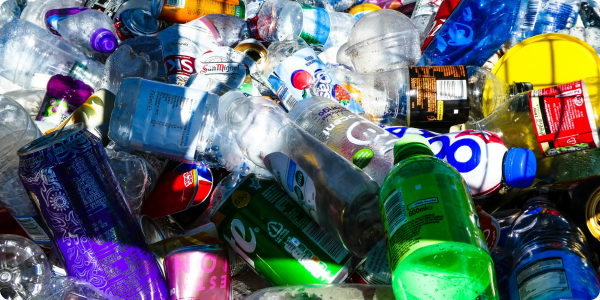
Plastic waste has become a significant environmental issue worldwide, with the UK playing a substantial role. UK households discard an astonishing 100 billion pieces of plastic packaging annually, averaging 66 items per household per week. In 2021 alone, the UK generated 2.5 million metric tons of plastic packaging waste. However, the recycling rate for plastic packaging waste in the UK stood at around 44% in 2021, after more or less stagnating in the past five years. This means that a considerable amount of plastic waste still ends up in landfills or incinerators.
Recycling Rates
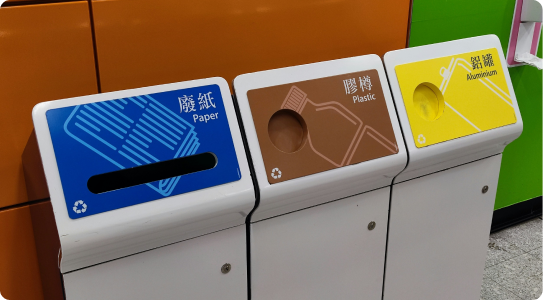
Paper, on the other hand, is often considered a more environmentally friendly material due to its biodegradability. Examining the recycling data for various materials in the UK in 2021, while paper and cardboard boast higher recycling rates, plastic lags behind at 44.1%. In contrast, paper and cardboard recycling rates have remained relatively stable at around 70% in 2021, contributing to the overall UK packaging recycling rate of 63%.
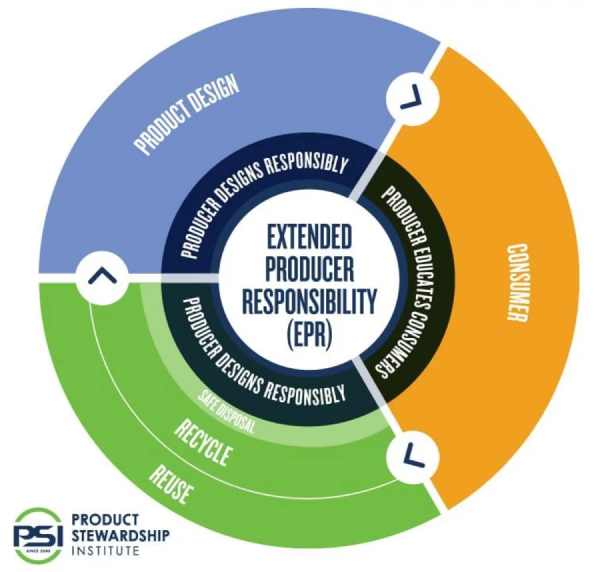
From both a cost and environmental perspective, transitioning to sustainable packaging is crucial. While plastic may be cheaper to produce initially, its long-term impact on the environment and associated costs outweigh the short-term savings. Sustainable packaging made from recycled paper or other eco-friendly materials can help reduce the environmental footprint. By encouraging responsible disposal and recycling practices, we can improve recycling rates and minimise waste. Extended Producer Responsibility (EPR) policies, which shift the costs of waste management onto producers, can incentivise companies to adopt sustainable packaging practices.
Extended Producer Responsibility
EPR is a new environmental policy in the UK that aims to address packaging waste. Under EPR, producers are required to pay the full costs of dealing with the waste they produce, from when it is placed onto the market until the end of its life. This means that packaging producers will pay for the collection and disposal costs of household packaging they supply when it becomes waste. By shifting these costs away from local councils and taxpayers, EPR encourages producers to use less packaging and opt for more recyclable materials. As a result, it can contribute to making sustainable packaging more affordable. The UK government is committed to eliminating avoidable waste by 2050 and recycling 65% of municipal waste by 2035, and EPR plays a central role in achieving these goals.
The ESG Imperative
ESG (Environmental, Social, and Governance) criteria have become increasingly important for investors, stakeholders, and consumers alike. Businesses that prioritise sustainability aren't just ticking a box; they're future-proofing their operations. By integrating sustainable practices into their supply chains, companies demonstrate a commitment to reducing their environmental impact, fostering social responsibility, and maintaining strong governance structures.
Getting Ahead of Regulations
Regulations surrounding packaging and environmental impact are tightening globally. While some businesses view compliance as a burden, forward-thinking companies see it as an opportunity. By proactively implementing sustainable packaging practices, businesses can get ahead of the curve. This proactive approach not only mitigates the risk of potential fines and penalties but also positions companies as leaders in their industries, earning trust and loyalty from increasingly eco-conscious consumers.
Companies that prioritise ESG principles and adopt sustainable packaging practices ahead of regulatory mandates can experience several direct and indirect cost-saving benefits.
Efficiency Improvements: Implementing sustainable packaging often requires reevaluating and optimising packaging processes. Companies may find opportunities to streamline operations, reduce material usage, and improve overall efficiency, leading to cost savings.
Resource Conservation: Sustainable packaging typically involves using recycled materials or renewable resources. By reducing reliance on virgin materials, companies can lower procurement costs and minimise the environmental impact associated with resource extraction and production.
Waste Reduction: Traditional packaging methods often result in excess waste, which can incur disposal and management costs. Sustainable packaging focuses on minimising waste generation, leading to potential savings in waste handling and landfill fees.
Transportation and Logistics: Sustainable packaging materials are often lighter and more compact than traditional alternatives, leading to reduced shipping volumes and transportation costs. Additionally, optimising packaging design can result in more efficient use of storage space, further lowering logistics expenses.
Brand Reputation and Customer Loyalty: Companies that demonstrate a commitment to ESG principles and sustainability often enjoy enhanced brand reputation and increased customer loyalty. This can translate to higher sales, market share, and pricing power, ultimately contributing to revenue growth and long-term profitability.
Risk Mitigation: Adhering to ESG standards and proactively addressing environmental and social concerns can mitigate risks associated with regulatory non-compliance, litigation, and reputational damage. By staying ahead of regulations, companies can avoid potential fines, penalties, and remediation costs.
Access to Capital and Investment Opportunities: Investors are increasingly incorporating ESG criteria into their decision-making processes. Companies that prioritise sustainability may benefit from improved access to capital, lower borrowing costs, and greater investment opportunities, driving long-term financial performance.
Other ways to reduce sustainable packaging costs
Bulk orders - Mix & Match Savings
By committing to larger quantities of sustainable packaging materials, businesses can negotiate better pricing from suppliers. When you order in bulk, the per-unit costs tend to decrease. This can help offset any initial investments in sustainable packaging - the more products you add to your basket, the greater the discount will be across all items in your basket.
Optimise your packaging design - right size for efficiency
Optimising packaging design and right-sizing can significantly reduce costs while maintaining sustainability.
Here are some strategies:
- Right-Sizing: Instead of using standard-sized boxes, tailor your packaging to the product’s dimensions. This minimises excess space and reduces material usage. For example, if you’re shipping a small item, choose a smaller box or mailer. Dimensional weight pricing is essential; many carriers charge based on dimensional weight (volume) rather than actual weight.
- Material Efficiency: Choose lightweight yet durable materials. For instance, corrugated cardboard is sturdy but lightweight, making it ideal for packaging. It’s also recyclable and cost-effective. Minimise unnecessary layers to simplify packaging.
- Design Optimisation: Design packaging that stacks efficiently during storage and transportation. This reduces the need for additional storage space. Consider eco-friendly materials like recycled or biodegradable options.
The Bottom Line
While the upfront costs of sustainable packaging materials may appear higher than non-sustainable alternatives, the long-term benefits far outweigh these initial expenses. Reduced waste, increased customer loyalty, and compliance with regulations are just some of the advantages. As more businesses adopt sustainable packaging practices, affordability will continue to improve.
So, yes, sustainable packaging is not only good for the planet but also for your business’s bottom line. Wondering how to make that swap to sustainable packaging? Need some advice on what products would be the best eco-friendly alternative? Don’t hesitate to get in touch.


