




In this month's newsletter, you can find:
Eco Spotlight: The Truth About LDPE & Packaging Materials
Packaging Heroes: The Brand Using the Only BPA-Free Aluminium Toothpaste Tube
Proud to be B - B Corp of the Month: Up-cycle? More like UpCircle!
Good News Story: Report Reveals Business Leader's Stance on Sustainability
Join the Conversation: CSR Connect Kent Event - Not Long to Go
Eco Spotlight
LDPE recyclability - is it greenwashing?
It’s time to talk about the gap between eco-friendly claims of recyclable LDPE plastic packaging and the UK’s ability to support these claims with infrastructure. While many brands label LDPE products, like poly mailers, as “100% recyclable”, the UK’s limited capacity to process LDPE highlights a disconnect. Currently, only a fraction of LDPE can be recycled locally, with much of it sent abroad to inadequate domestic recycling infrastructure. It can be argued as a form of greenwashing, where recyclable labels don’t guarantee that products actually get recycled.
The challenge of LDPE recycling is on the rise in line with growing ecommerce demand, which has led to an increased need for packaging. Although plastic packaging and LDPE is versatile, the infrastructure remains extremely underdeveloped, especially soft plastics. Most local authorities in the UK lack the resources to collect and recycle LDPE at scale, with only 18% of councils offering curbside collection for plastic films as of 2017. As a result, more than 95% of LDPE packaging waste is landfilled or ends up in the environment, contrasting sharply with the high recycling rates of paper.
What’s the solution? Increased government investment in recycling infrastructure and creating centralised systems will mean that recycling waste handling will be the same for everyone, but also consider the materials used and look at more sustainable alternatives like paper and cardboard.
Packaging That Lasts, Waste That Doesn’t
Is it time to rethink your packaging choices? Plastics and soft plastics have some of the poorest recycling rates - so, what’s the solution?
Retailers and businesses can significantly reduce the impact of their packaging by ensuring it is as circular as possible through embracing the recycling infrastructure in your target country, minimising material and energy usage, logistics footprint, and environmental harm.
The top contenders are paper and cardboard…but why? Aside from Europe recycling rates over 85%, the production of paper and cardboard generally has a lower carbon footprint compared to plastic, and are made from sustainable, renewable resources. Consumer behaviour and opinion on sustainability is becoming increasingly more important. Recent studies have shown that 75% of consumers want retailers to be ecologically sustainable. This shift in consumer behaviour is driving companies to adopt more sustainable packaging solutions.
Packaging Heroes
Meet our packaging hero of the month: Wildist. This innovative brand is making waves in the personal care industry with its commitment to sustainability. Wildist offers natural toothpaste and deodorants, all crafted with ethically sourced ingredients. Their thoughtful approach to packaging means they use the only 100% recyclable, BPA-free aluminium tubes out their for their toothpaste, which is a significant improvement over traditional plastic tubes. Plus, their shipping materials are designed to be reusable, ensuring that nothing goes to waste. Wildist demonstrates that it’s possible to create high-quality products while being mindful of the environment.
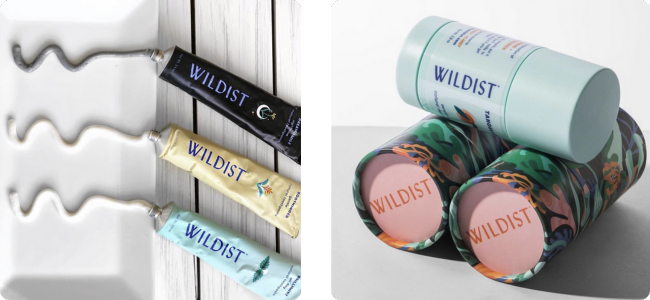
Source: Wildist
Proud to be B - B Corp of the Month
UpCircle is a certified B Corp that has made a significant impact in the beauty industry by prioritising sustainability and ethical practices. Co-founded by siblings Anna and Will Brightman, the brand is known for its innovative approach to skincare, utilising byproducts from other industries to create high-quality, eco-friendly products. They upcycle ingredients like coffee grounds and fruit stones, which would otherwise be discarded, transforming them into effective skincare solutions. This not only reduces waste but also supports a circular economy, creating new revenue streams for growers and other suppliers.
The values of UpCircle are deeply rooted in sustainability, inclusivity, and transparency. They are committed to using recyclable and refillable packaging, in fact the packaging across their range is 99% plastic free, and for the 1%, they offer plastic-free refill options. You can also return your empty packaging to be refilled with a 20% discount.
The brand is certified Plastic Negative, meaning they remove more plastic waste from the environment than they produce. Their dedication to ethical practices extends to their product formulations, which are vegan, cruelty-free, and designed to be inclusive and gender-neutral. By achieving a high B Corp score of 96.3, UpCircle has demonstrated its commitment to balancing profit with purpose, setting a strong example for other businesses in the beauty industry.
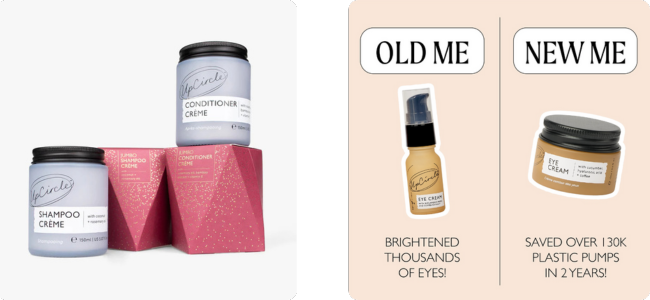
Source: Upcircle
Good News Story
A recent report from Deloitte reveals that 85% of global business leaders have increased their investment over the past year. Climate change has become a top priority, with 70% of the 2,100 executives surveyed across 27 countries expecting it to significantly impact their strategies and operations in the next three years. This has led to 45% of these leaders to transform their business models to address climate change. Notably, 92% believe their companies can grow while reducing greenhouse gas emissions, and 50% have already implemented technology solutions for sustainability.
The report highlights that business leaders view climate action as a catalyst for innovation and development. More than half of those who have implemented technology solutions are using them to develop more sustainable products and services. The primary drivers for this shift include pressure from regulators, government, board members, and investors. Overall, the findings suggest that businesses are not only acknowledging their environmental responsibilities but are also actively taking steps to mitigate their impact on the climate.
Join the Conversation
Kent CSR Connect: Partnering for Positive Change - 6th November
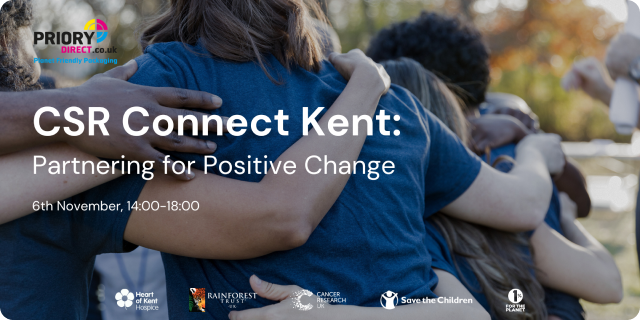
Only a few days to go - we’d love to see you there. Get your free tickets.
What you can expect:
- Hear from Dr May Seitanidi, a world leading CSR academic who will be speaking on how to form impactful and successful partnerships.
- How to get started with CSR and some great ideas on how to build it into your business.
- Meet some fantastic local and national charities to make connections right away.


