






In this month's newsletter, you can find:
- Eco Spotlight: Is Ecommerce Growth Transforming the Future of Retail?
- Packaging Heroes: Italian brand Anthem Hits the Right Note with Sustainable Style
- Proud to be B - B Corp of the Month: Alpkit Climbs to New Heights
- Good News Story: Saving Species - Protecting 0.7% of Land Could Rescue One-Third of Unique Wildlife
- Join the Conversation: CSR Connect Kent Event
Eco Spotlight
Ecommerce Growth & Retail
The retail landscape is experiencing a significant transformation driven by the rapid growth of e-commerce. This shift is reshaping consumer shopping habits and compelling traditional retailers to innovate. E-commerce sales are projected to surpass $6.3 trillion globally in 2024, with an expected rise to 41% of global retail sales by 2027, up from 18% in 2017. The convenience of online shopping has greatly influenced consumer behaviour. This trend is mirrored globally, fueled by increasing internet access and smartphone usage.
To successfully scale up e-commerce operations, businesses need a well-prepared and adaptable supply chain. The first step is to assess the current supply chain to identify strengths, weaknesses, and areas for improvement. Investing in technology, such as Warehouse Management Systems (WMS), Transportation Management Systems (TMS), and Inventory Management Systems (IMS), can streamline operations, provide real-time data, and enhance decision-making. Effective inventory management, using data analytics to forecast demand and maintain optimal stock levels, is crucial to meet customer demands without overstocking.

The rise of e-commerce presents both challenges and opportunities for brick-and-mortar retailers. While some have struggled to adapt, others have embraced digital transformation and omnichannel strategies to remain competitive. Packaging has become crucial in e-commerce, serving not only to protect products but also to enhance the customer experience and reinforce brand identity. Sustainable packaging is gaining importance as consumers become more environmentally conscious. Additionally, the increase in e-commerce has led to higher return rates, prompting retailers to adopt returnable packaging to reduce waste and improve return efficiency.
Building strong relationships with suppliers is essential for a resilient supply chain. Communicating expansion plans and ensuring suppliers can scale their operations is vital. Diversifying the supplier base can mitigate risks and avoid disruptions. Focusing on customer experience by aligning the supply chain with customer goals, offering real-time tracking, multiple delivery options, and flexible returns policies can enhance satisfaction. Planning for scalability by developing a flexible supply chain strategy and investing in scalable infrastructure and technology is key to adapting to changing market conditions and customer demands. Key trends to watch include omnichannel retailing, personalisation through AI, sustainability, and the growth of mobile commerce.
Our Top Retail Packaging Picks






Are you ready for peak?
.png)
- Forecast Packaging Needs Early
- Analyse Previous Peaks: Review last year’s peak sales to estimate how much packaging you’ll need.
- Account for Growth: Adjust your packaging orders if you expect increased sales.
- Plan for Surges: Always order a buffer—10-20% more packaging than your forecasted need.
- Order Packaging Supplies in Advance
- Avoid Delays: Place packaging orders early to prevent stockouts or shipping delays as peak season approaches.
- Stock Up on Essentials: Ensure you have sufficient stock of your core packaging materials (cardboard boxes, packing tape, labels, etc.).
- Replenish Regularly: Set up regular deliveries to avoid last-minute shortages.
- Choose Sustainable Packaging Options
- Customer Preference: Consumers prefer eco-friendly packaging—consider switching to recyclable, compostable, or reusable packaging options.
- Sustainable Alternatives: Swap out single-use plastics for biodegradable void fill, paper tape, or paper mailing bags.
- Communicate Sustainability: Ensure your customers know you’re using eco-friendly materials by adding labels or branded inserts.
- Right-Size Your Packaging
- Avoid Overpacking: Choose packaging sizes that fit your products to reduce waste and shipping costs.
- Review Packaging Options: Test different box sizes, envelopes, and void fill to find the best fit for your products.
- Space Optimisation: Optimise your warehouse layout for packaging to increase efficiency during packing and fulfilment.
- Streamline Packing Operations
- Pre-Pack High-Volume Items: Pre-pack your bestsellers or high-volume items in advance to save time during peak periods.
- Packing Stations: Set up dedicated packing stations with all necessary materials to speed up the packing process.
- Invest in Automation: If possible, consider packing machinery to boost output and improve consistency.
- Test Packaging for Durability
- Stress Testing: Ensure your packaging can withstand the increased pressure of handling, shipping, and stacking during the peak season.
- Protect Fragile Items: Use extra padding or protective materials like paper bubble wrap or eco-friendly void fill for fragile products.
- Plan for Branding and Customisation
- Custom Packaging: If you’re using branded boxes or tape, order them early to ensure they’re available for peak.
- Seasonal Messaging: Consider adding seasonal touches, such as festive designs or “thank you” notes, to make your packaging memorable.
- Review Shipping and Labelling Procedures
- Labelling Efficiency: Make sure you have a streamlined system for labelling packages to avoid delays.
- Shipping Labels: Stock up on regular printer labels or thermal printer labels.
- Shipping Partnerships: Ensure you have strong partnerships with couriers, and know their cut-off dates for peak season deliveries.
- Prepare for Returns
- Easy Returns Packaging: Ensure you have appropriate return packaging (like peel & seal boxes or mailers ) ready to go.
- Return Labels: Provide pre-printed return labels to simplify the process for customers.
- Eco-Friendly Returns: Offer sustainable options for returns, like packaging that can be reused or easily recycled.
- Stay Organised and Flexible
- Clear Inventory Management: Maintain a clear overview of your packaging stock levels to avoid running out during peak.
- Extra Staff for Peak: Hire additional staff or reassign team members to focus on packing and dispatching during busy times.
- Flexible Packaging Solutions: Have backup packaging options in case of supplier delays or sudden changes in demand.
- Communication with Suppliers
- Regular Updates: Stay in touch with your packaging suppliers to get real-time updates on stock availability and lead times.
- Emergency Orders: Ensure you have a backup plan or emergency contact in case you need rush orders for packaging.
Packaging Heroes
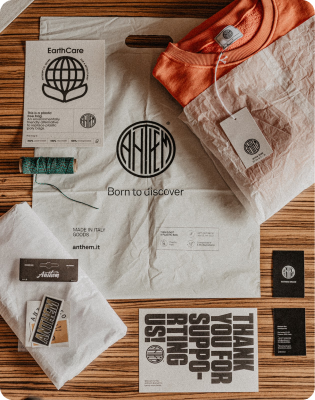
Anthem is an Italian clothing brand that emphasises a blend of art, lifestyle, and sustainability. Their collections feature a variety of items, including t-shirts, hoodies, pants, and accessories, all designed with a focus on quality and style. Anthem’s clothing is crafted in Italy, reflecting a commitment to local craftsmanship and sustainable practices. The brand’s ethos revolves around discovery and a deep respect for nature, which is evident in their collaborations and the values they promote.
In terms of packaging, Anthem is dedicated to eco-friendly solutions. They use sustainable materials for their packaging, ensuring that it is both recyclable and minimalistic. This approach not only reduces waste but also aligns with their broader environmental goals. By prioritising eco-packing, Anthem aims to minimise their ecological footprint and promote a more sustainable fashion industry.
Proud to be B - B Corp of the Month
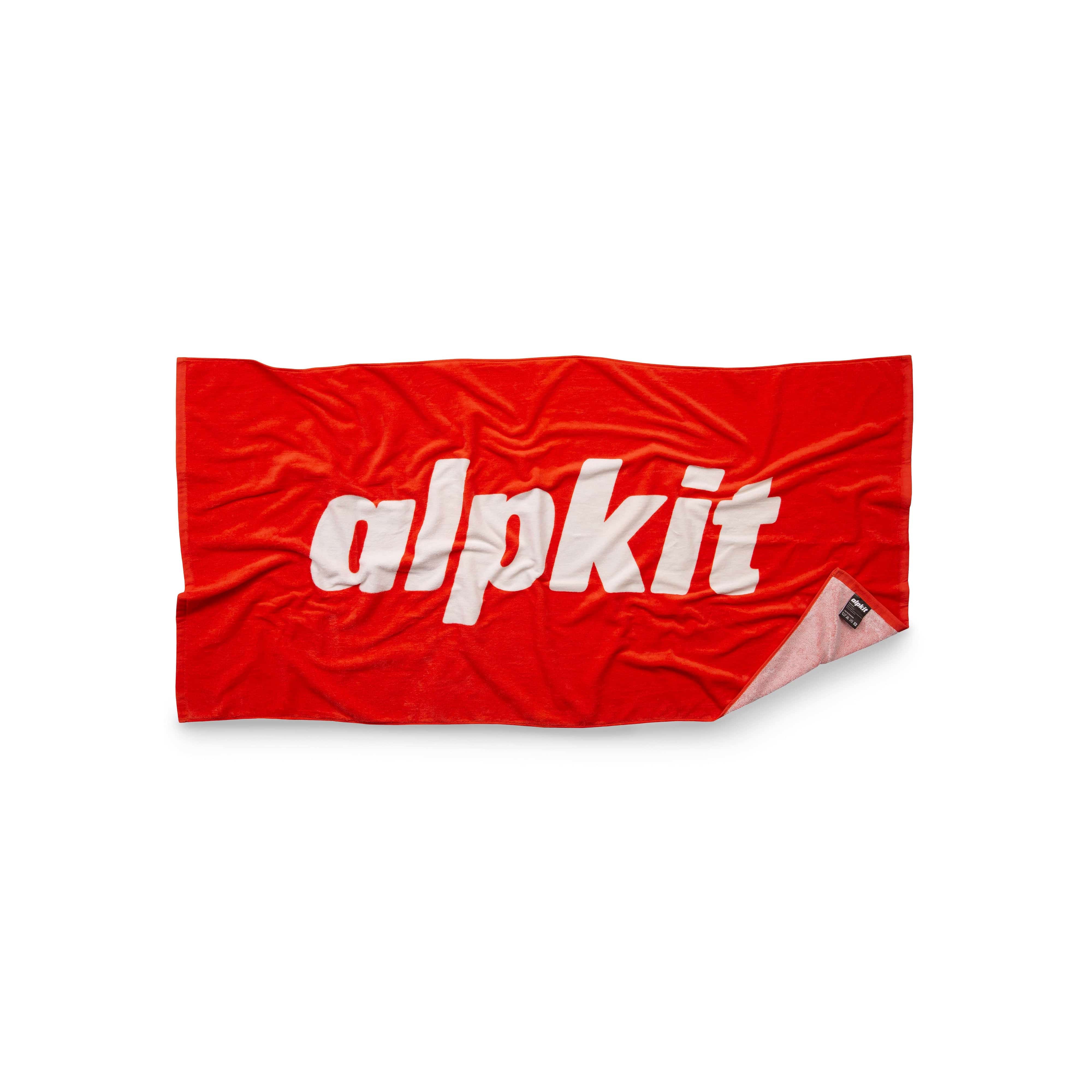
The first UK outdoor brand to publish a comprehensive sustainability report, Alpkit has made a significant impact in the industry through its commitment to sustainability and ethical practices. Founded in 2004, Alpkit has always prioritised doing business the right way, advocating for the highest ethical standards and choosing environmentally preferable methods of production. Their product range includes everything from clothing and camping gear to cycling equipment, all designed to be durable, high-performing, and eco-friendly.
One of the standout aspects of Alpkit is their dedication to the B Corp movement. They achieved B Corp certification in 2020 and have since been recertified with an impressive score of 122.6, reflecting their continuous improvement and leadership in sustainability. Alpkit’s commitment extends beyond their products; they also focus on community impact through the Alpkit Foundation, which donates 10% of profits and 1% of sales to projects that make the outdoors accessible to everyone. They emphasise repair over replacement, offering repair services for any brand to reduce waste and keep gear out of landfills. This holistic approach to business demonstrates Alpkit’s dedication to making a positive impact on both people and the planet.
Good News Story
A recent study by researchers at Imperial College London, On the Edge, and ZSL has found that protecting just 0.7% of the world’s land could help save one-third of the most unique and endangered tetrapod species (four-limbed vertebrates). The study, published in Nature Communications, highlights the importance of focusing conservation efforts on areas with exceptional biodiversity and species that have high levels of evolutionary distinctiveness and global endangerment. These species include the aye-aye lemur, the secretary bird, the purple frog, and the critically endangered gharial crocodile.
Currently, only 20% of these critical areas are under protection, and many face increasing human pressure. The researchers identified 25 key regions, known as EDGE Zones, where conservation efforts could have the greatest impact. These zones include parts of Southeast Asia, the Amazon basin, and the Eastern Arc mountains of East Africa. The study emphasises the need to consider both species diversity and evolutionary history in conservation to prevent the loss of unique branches of the tree of life.
Join the Conversation
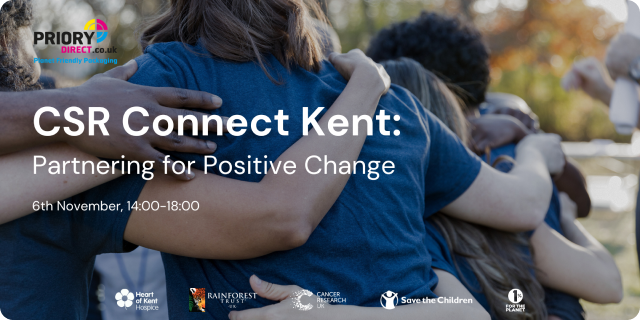
Make a difference in Kent! Join us on November 6th for CSR Connect Kent, hosted by Priory Direct and the Kent B Local Co-Chairs. This event brings together businesses and charities to foster meaningful partnerships, explore volunteer opportunities, and discover ways to enhance your positive impact on both society and the environment.
Whether you’re new to Corporate Social Responsibility (CSR) or looking to deepen your commitment, this event is the perfect opportunity to connect with local charities and learn how to make a tangible difference, even with limited resources. Expect an afternoon filled with insightful talks, networking, and actionable takeaways to drive your CSR initiatives forward.


