





Eco Spotlight: Sustainable packaging on a budget - can it be done?
Packaging Heroes: Piecing Together Sustainable Packaging
Proud to be B - B Corp of the Month: Healthy Snacks, Healthy Planet: Why Graze Stands Out
Good News Story: Restoring Habitats, One Tree at a Time
Join the Conversation: Better Business Summit - 15-17th January 2025
Eco Spotlight
Sustainable packaging on a budget - can it be done?
Switching to sustainable packaging can feel daunting, especially if you’re worried about costs. But here’s the good news: eco-friendly doesn’t always mean expensive. With a bit of strategy and some savvy choices, sustainable packaging on a budget is absolutely achievable.
Start With the Basics
The first step is understanding your packaging needs. Over-packaging is one of the biggest culprits of unnecessary costs and waste. Ask yourself:
- Are we using too much material?
- Can we switch to a simpler design or fewer layers?
By trimming the excess, you’re already saving money and reducing your environmental impact.
Choose Cost-Effective Sustainable Materials
Not all eco-friendly materials come with a hefty price tag. Some options, like kraft paper or corrugated cardboard, are widely available, budget-friendly, and fully recyclable. Compostable mailers, lightweight paper void fill, and water-activated tape can also offer a sustainable solution without blowing your budget.
Buy in Bulk (When It Makes Sense)
Buying in bulk often reduces the cost per unit of packaging materials. If you’re a small business, consider teaming up with other local businesses to share the cost of bulk purchases. This can make high-quality sustainable materials more accessible.
Innovate With Reusability
Opt for packaging that doubles as something else, like a sturdy box that customers can reuse for storage. While the initial cost might be slightly higher, you could save money in the long run by building brand loyalty and reducing the need for secondary packaging.
Go Minimalist
Minimalism isn’t just a trend – it’s a sustainable strategy. Reduce the use of inks, dyes, and coatings, as they can increase costs and make packaging harder to recycle. A simple, well-designed logo on a plain kraft box often speaks volumes about your brand’s commitment to sustainability.
Measure the True Cost
When weighing your options, consider the long-term savings of sustainable packaging. Many eco-friendly solutions, like durable materials or reusable designs, cut costs over time by reducing waste and improving customer retention. Plus, consumers are increasingly willing to support brands that prioritise sustainability – a win for your wallet and the planet.
Where to Start?
If you’re ready to make the shift, start small. Swap one packaging element at a time, such as switching to recyclable mailers or biodegradable void fill. This gradual approach keeps costs manageable while giving you time to test and refine your strategy.
Final Thoughts
Sustainable packaging doesn’t have to break the bank. By focusing on smart choices, reducing waste, and embracing simple, eco-friendly designs, it’s possible to protect the planet and your profit margins.
Want to know more? Check out our range of sustainable packaging solutions or get in touch with our team for tailored advice.
Why wet cardboard misses the recycling bin
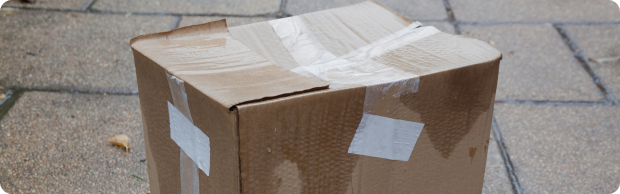
With rain forecasted in early January and recycling bins overflowing with cardboard from seasonal sales deliveries, it's crucial to keep your cardboard waste dry to ensure it can be recycled and to minimise the environmental impact of the festive season.
Why is this important? Wet cardboard cannot be recycled. Typical British winter weather means rain is inevitable, so it's essential to keep your cardboard waste dry during this festive period.
The problem with wet cardboard: Moisture significantly weakens cardboard fibers, making them harder to mesh together after pulping to create new cardboard. Wet cardboard also clogs machinery and increases the weight of recycling loads, making the process more costly. This reduces the value for paper and cardboard recycling centers.
What can you do? Keep your cardboard waste inside until your next recycling collection, or protect it with waterproof covering if space is limited.
Additionally, remove anything stuck on your boxes, such as tape, labels, grease, and glitter. Not all of these can be separated from cardboard during the recycling process. Failing to remove these items increases the amount of cardboard that has to be discarded and sent to landfill rather than being recycled.
By taking these steps, you can reduce the impact of the holiday season and make the post-Christmas recycling process more effective and efficient.
Packaging Heroes
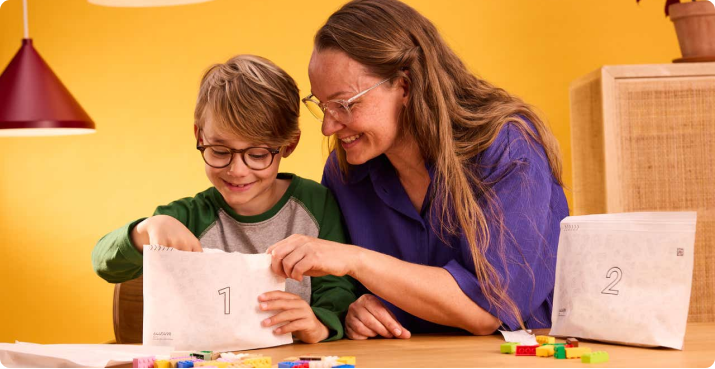
The LEGO Group is making significant changes in sustainability by rolling out paper-based bags for packaging their iconic bricks. This initiative is part of LEGO's broader commitment to reduce single-use plastics and enhance their environmental impact.
Here are some key highlights:
- Global Rollout: LEGO has started replacing plastic bags with paper ones in their sets, beginning in Europe and Asia, with plans to expand to the Americas soon.
- Extensive Testing: To ensure durability, LEGO tested 180 different types of paper to find a material that could withstand the manufacturing process and transit.
- Recyclability: The new paper bags are recyclable in the EU, U.S., and Canada, making it easier for consumers to dispose of them responsibly.
- Enhanced Experience: Interestingly, kids have found the paper bags more enjoyable to open, adding an element of suspense to their building experience.
They aim to make all their products from sustainable materials by 2032 and achieve net zero emissions by 2050.
Proud to be B - B Corp of the Month
.png)
We’re excited to feature Graze this month, a subscription-based snack service that delivers tasty and healthy snacks right to your doorstep. Graze became a B Corp in February 2021, joining a global community of business dedicated to making a positive impact.
Graze is on a mission to be more sustainable and has set an ambitious goal to go carbon neutral by 2030. Here are some of the impressive steps they’ve already taken:
- Green energy: all the electricity at their factory and bakery is now 100% carbon neutral, thanks to a wind farm in Scotland.
- Eco-friendly packaging: They’ve made all their snack trays fully recyclable (except the lid, which they’re working on). Plus, their new Oat Boot wrappers and Crunch Sharing Bags can now be recycled at large supermarkets.
- Cutting down on miles: By moving their bakery into the same building as their factory, they’ve cut down their snacks travel by 42,000 miles each year - about the distance from London to Sydney and back!
- Reducing waste: They try to avoid waste as much as possible. When they do have waste, they donate it to the local food bank charity, City Harvest, or use it as feed for local farm animals.
Graze’s dedication to sustainability and community impact is inspiring - we’re looking forward to seeing what they achieve next.
Good News Story

The South Downs National Park has launched a winter initiative to plant 20,294 trees, aiming to reach a total of 100,000 trees by its 15th anniversary next year. This effort includes planting 400 disease-resistant elm trees to restore habitats for insects and butterflies. The park's "Trees for the Downs" project, which began five years ago, has already planted nearly 75,000 trees. This initiative is part of a broader campaign to transform 13,000 hectares into wildlife habitats by 2030.
Tree planting offers numerous benefits for the environment, communities, and individual well-being. Here are some key advantages:
- Climate Change Mitigation: Trees absorb carbon dioxide (CO₂) through photosynthesis, helping to reduce greenhouse gases in the atmosphere.
- Air Quality Improvement: Trees filter pollutants such as nitrogen oxides, ammonia, sulfur dioxide, and ozone, improving air quality.
- Water Management: Trees reduce stormwater runoff, prevent soil erosion, and filter water, making it cleaner and more reliable.
- Biodiversity Support: Trees provide habitats for various wildlife species, promoting biodiversity.
- Temperature Regulation: Trees offer shade and release water vapor, cooling urban areas and reducing the urban heat island effect.
- Mental and Physical Health: Access to green spaces with trees can reduce stress, anxiety, and depression, while encouraging physical activity.
- Economic Benefits: Trees can increase property values, reduce energy costs, and create job opportunities in green industries.
Planting trees is a powerful way to contribute to a healthier planet and improve quality of life for all.
Join the Conversation
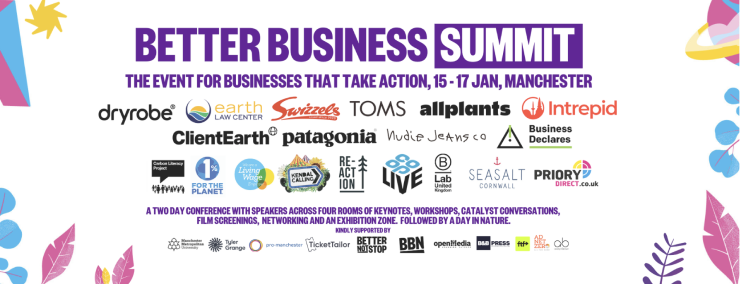
We're excited to announce that we'll be speaking at the Better Business Summit from January 15th-17th, 2025 alongside Dryrobe on whether you can really create instrumental changes in how we view the end to end lifecycle of products.
This annual flagship conference, hosted by the Better Business Network, is a fantastic opportunity for purpose-driven businesses to come together and explore innovative ways to create a positive impact.
This year's theme is "Future Proof", focusing on what businesses need to do to be truly sustainable and resilient. The summit will cover a diverse range of topics, with a particular emphasis on food, fashion, and the future of business. Attendees can look forward to:
- Deep Dives and Keynotes: Hear from experts at the forefront of impactful business practices, including representatives from TOMS, Earth Law Centre, and Nudie Jeans.
- Actionable Workshops: Participate in hands-on sessions designed to provide practical tools and strategies.
- Catalyst Conversations and Fireside Chats: Engage in meaningful discussions and network with like-minded individuals.
- Nature-Based Activities: Reflect and connect with fellow attendees through activities in nature.
We look forward to seeing you there and collaborating on ways to make our businesses more sustainable and impactful.


