






As we move into 2024, the packaging industry continues to evolve with a sharp focus on sustainability. Here are the top five trends that are set to shape the future of sustainable packaging:
The Circular Economy Approach
The circular economy approach is a trend that is set to continue in 2024. This approach focuses on designing packaging that is not only recyclable but extends the life cycle of a product, maximising the value of materials and minimising waste. Businesses are increasingly looking at ways to use more recycled content, design for recyclability, and develop products that can be easily disassembled and recycled.
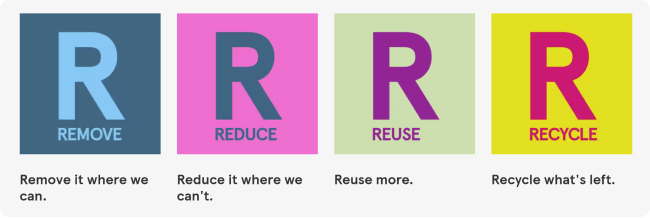
Tesco, the UK’s largest supermarket launched its 4R strategy – remove, reduce, reuse and recycle – which now informs all of their packaging design. They start by reconsidering packaging, the product, and the business model. The goal is to cut down on unnecessary plastic without compromising, and even improving, the user experience. They have eliminated over 100 million pieces of plastic from their stores by applying two small design and process rethinks - the elimination of secondary lids on cream pots or multi-pack films.
Increased Consumer Awareness & Education
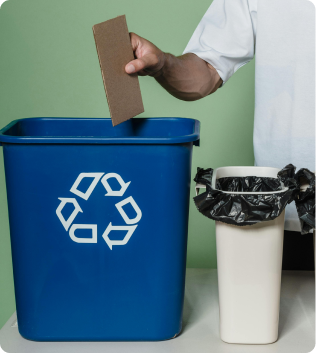
Now more than ever, it’s vital for businesses to be sustainable. Studies show that a third of consumer decision-making is based on packaging. Brands communicating and educating their customers on how to responsibly dispose of packaging will be a key expectation. The onus will be on companies to make it clear on their packaging exactly what can (and can’t!) be recycled.
Right-Size Packaging
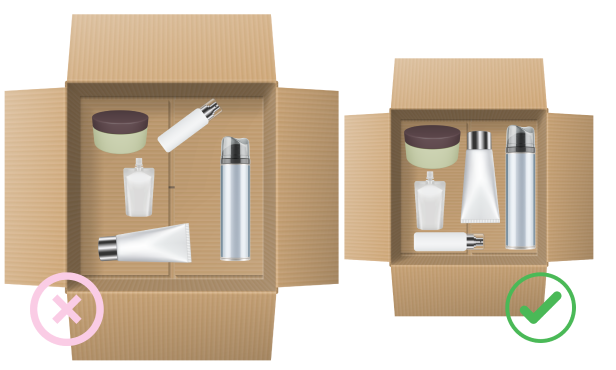
Right-sizing packaging is emerging as a prominent trend in 2024, driven by both environmental and economic considerations. By tailoring package dimensions to match the contents, businesses can significantly cut parcel volumes, resulting in a remarkable 50% reduction. This not only translates to substantial savings of up to 30% on material costs but also leads to a notable decrease in freight charges. It's eye-opening that, on average, a shipped box contains a staggering 60% air. Not only is it a good way to save costs, but you can reduce carbon footprint, lower stock holding, and improve protection.
This inefficiency is increasingly being scrutinized, with a recent survey resulting in 67% of individuals expressing a preference against shopping with online retailers utilising oversized packaging. As sustainability becomes a central focus, the right-sizing movement not only aligns with environmental goals but also resonates with consumers who are increasingly mindful of the impact of packaging on the planet. It's a win-win strategy that benefits both the bottom line and the environment.
Automation in Packaging
Improved automation is a major driver behind several of the biggest trends that will impact packaging sustainability in 2024. It’s predicted that any repetitive task that doesn’t require much analysis will eventually be done by robots, drones or automated machinery. This means tasks such as stacking packages on shelves, picking and packing items for pickup or delivery, unloading trucks, and storing inventory.

Eco-Friendly and Tamper-Proof Packaging
Eco-friendly and tamper-proof packaging is another trend to watch out for in 2024. As businesses and consumers become more environmentally conscious, the demand for packaging that is both sustainable and secure is on the rise. We’ve already seen Amazon using gummed paper tape that fuses to the cardboard fibres of their packaging – not only is it tamper-proof, but it’s also made of paper that can easily be recycled with the cardboard packaging

Thermal Packaging
Thermal packaging is a trend that is gaining traction in the packaging industry. This type of packaging helps to maintain the temperature of the product, ensuring its freshness and quality. As sustainability becomes a priority, thermal packaging solutions that are eco-friendly will be in high demand. Hello Fresh use a sustainable cooling pouch made of recycled paper, which maintains insulating properties thanks to “air cushions” between the individual layers of paper. Insulated box liners are super popular for keeping perishable products fresh for delivery.
These trends reflect the growing importance of sustainability in the packaging industry. As we move forward, it’s clear that businesses, consumers, and regulatory bodies need to work together to push for green packaging innovations and eco-friendly practices in our daily lives.


