




Printed packaging refers to packaging materials that have been decorated with graphics, text, or other visual elements. This can include everything from cardboard boxes and postal boxes with printed logos, to custom labels or tape to seal your packaging.
The materials
Whilst printed packaging comes with a whole host of benefits to your brand and your customers, there are some key areas to look out for. We'll go back to basics with the first being the material chosen for your packaging - do you choose plastic or paper?
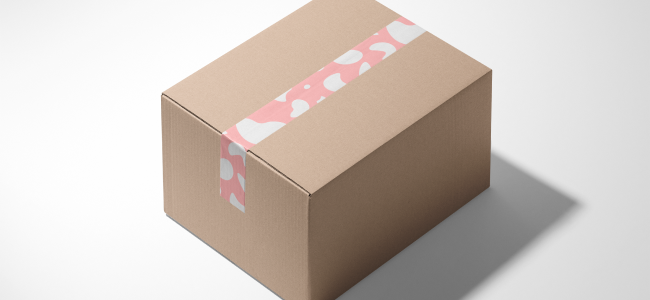
Our natural answer would be cardboard and paper as they are super easy to recycle at home (bonus points if they are made from already recycled materials). Plastic options such as tape or poly mailers are much more difficult to dispose of without no environmental consequences. Using plastic tape on a cardboard box for instance, the tape must be separated before recycling the box which is tricky and a hassle to do. We would recommend opting for a paper packing tape, which can easily be printed on and there's no need to separate from your cardboard packaging before recycling.
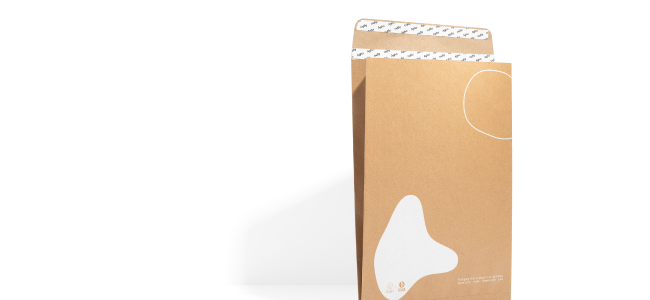
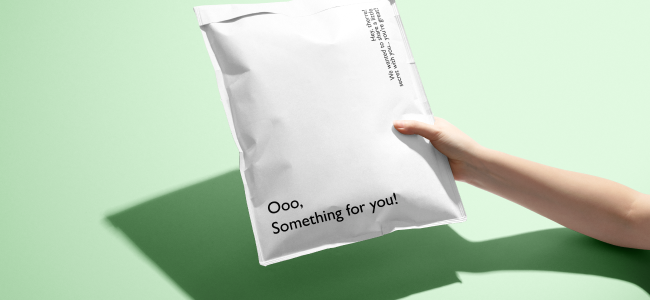
Poly mailers are soft plastics and are not as easy to recycle as hard plastics, in fact, if they're adding to plastic recycling waste they don't get separated and can cause contamination. Luckily, paper mailing bags are a much more sustainable and plastic-free alternative, and can easily be recycled whilst still providing the same level of protection and durability to your goods in transit.
There are some plastic packaging products that when printed are recyclable, but the sustainability concerns are founded in carbon footprint associated with the production and development of the plastic packaging, how long it takes to break down, and subsequently the damaging effect this has on the environment once disposed of.
The printing process
Now onto the printing process. One of the main concerns with printed packaging typically involves the use of inks and how colourful packaging may not be perceived as recyclable.
Many believe the ink used in printing contain harmful chemicals and heavy metals, and that these substances can be released into the environment during the printing process, potentially causing harm to ecosystems and human health.
However, advances in printing technology have led to the development of more sustainable printing methods. For example, water-based inks are now widely used in printing, which are less harmful to the environment than traditional solvent-based inks. Additionally, many printers have implemented recycling programs for used ink cartridges and other materials, reducing the amount of waste generated by the printing process.
If you are wanting a more sustainable printing option, try to avoid any printed packaging that uses spot UV. Some spot UV coatings used for are not easily recycled and are non-biodegradable. In addition, packaging that is printed using metallic inks or foils may not be recyclable, as the metal can contaminate the recycling stream and cause problems during the recycling process.
Best practices and technology for minimising environmental impact
The two main print types for custom packaging are flexo and digital printing, both of which are recycylable as long as the base material is i.e cardboard and paper.
Digital printing is beneficial to the environment as it allows the customer to only print what they need and avoid over ordering, great for saving costs and reducing wasted materials due to efficient set up processes. There are less stoppages experienced when it comes to digital printing so running waste and costs are much lower. Printing plates that are traditionally needed for other types of printeing are actually not needed for digital, so there's no need to source and replace the plates once they are worn out.
Flexo printing uses water based ink and given the fact that many areas in the world have banned solvent-based inks, there is a lot to be said for the ability of creating great quality printing using water-based inks instead. Flexographic printing also allows print to be applied to packaging as its being made, which help to avoid a secondary print process.
ColomPac's new printing technology, CyclePrint, provides a full colour offset print on the outside paper of 100% recycled content. In detail it´s 98% recycled content and 2% clay coating, which is kaoline or china clay. The total box then has a minimum recycled content of 85%. So, the packaging printed using this technology, even though colourful and printed, is 100% recyclable and sustainable.
Benefits of printed packaging
Despite these challenges, there are also many benefits to using printed packaging. In fact, printed packaging can be used to help promote sustainable behaviours among consumers. A study that was conducted by the University of Sheffield found that printed messages on packaging, such as recycling instructions and environmental messages, can be used to help increase consumers' awareness of the environmental impact of their actions and encourage them to adopt more sustainable behaviours.
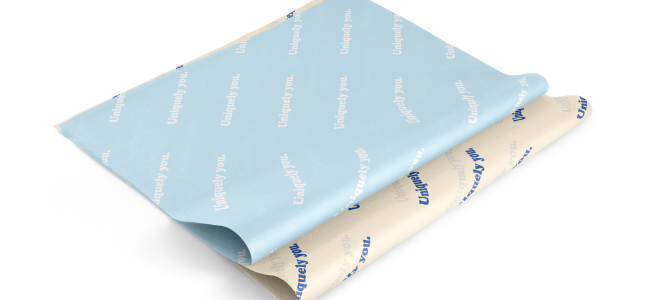
Printed packaging can also help to build brand recognition and differentiate products in a crowded market. This can be particularly important for small businesses that rely on packaging to help their products stand out.
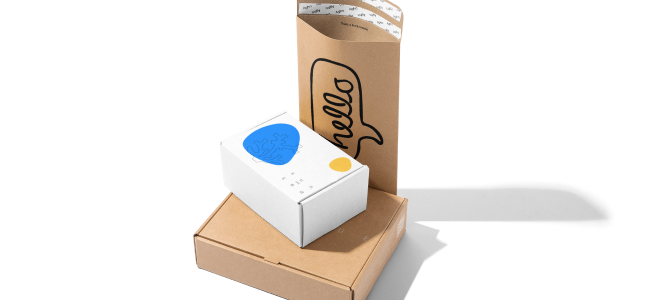
If you're looking to make the swap to custom packaging but unsure where to start, we've got an excellent bespoke packaging team on hand to answer any questions you may have, assist you with choosing the right product to print, help with the design process, and ultimately ensure you get the best printed packaging that will leave a lasting brand impression on your customers.


