





Without a doubt, we wouldn’t be where we are today without plastic – having only been around since the early 1900s, it’s hard to imagine our lives now without it. We’re now using about 20 times more plastic than we did 50 years ago; it’s used just about everywhere and takes so many different forms.
We’re currently disposing of around two thirds of the plastic we make, with just 9% getting recycled. Something needs to change without a doubt, and the key to starting is learning. So, do you know your polythene from your polypropylene? Or your PET from your HDPE? Don’t worry – we’ve got it covered to help you understand, and these will no longer just be a random collection of letters which vaguely ring very distant bells.
The Seven Symbols
A good place to start is by familiarising yourself with what you may have already seen or noticed. On just about every item housed in plastic packaging, you’ll notice there’s a triangle with a number in it, and possibly a few letters too. Here’s where each one may be used, what they mean, and what to do with it:
| Symbol | Material | What’s it used for? | What can it be recycled into? | How easy is it to recycle? |
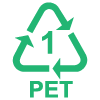 |
Polyethylene Terephthalate (PET) | Soft drink bottles and food packaging | Used to make more PET products | Easy |
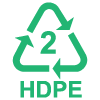 |
High Density Polyethylene (HDPE) | Milk cartons and yogurt pots | Pipes and more milk cartons | Easy |
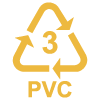 |
Polyvinyl Chloride (PVC) | Window fittings and car parts | Make more PVC products | Difficult |
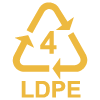 |
Low Density Polyethylene (LDPE) | Shopping bags and magazine wrapping | Bin liners and plastic furniture | Difficult |
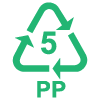 |
Polypropylene (PP) | Butter tubs and ready meal trays | Food containers and speed bumps | Easy |
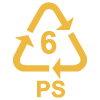 |
Polystyrene (PS) | Protective packaging and insulation | More packaging | Very Difficult |
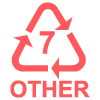 |
Other Plastics | Salad bags and crisp packets | Landfill | Very Difficult |
Don’t underestimate the importance of understanding these symbols. They can seem confusing at first but it’s worth getting your head around as education in this area will ultimately be the difference between getting your packaging disposed of in the correct waste stream and it ending up in landfill or the environment. Over 7 billion tonnes of plastic waste have been generated, and almost 80% of that is sitting in either landfills or the environment. Understanding each type of plastic and how you can and should correctly dispose of them is critical for the future of our planet. It’s a vicious cycle at the moment where more and more new plastic is being created due to the lack of it being recycled, and then the newly created plastic is ending up in landfill as well – we need to break the cycle, and quickly too. There’s no better time than now.


