






Every year, Americans throw away roughly 100 billion bags (the equivalent of dumping nearly 12 million barrels of crude oil)!
Everyone can play a part in reducing plastic waste and supporting the planet -- including you and your employees. One of the best ways for your company to become more planet-friendly is by transitioning from plastic packaging to a more sustainable alternative.
Below, you’ll learn the value of transitioning to zero-waste packaging and find tips on making the switch as simple as possible.
How Plastic Packaging Harms the Environment
Plastic harms the environment in several ways, including the following:
● Landfill buildup (plastics don’t break down easily and stay in the environment for a long time after they’re discarded)
● Chemical burden (plastics account for 14 percent of toxic chemicals released in the air)
● Chemical emissions from plastic manufacturing (including sulfur oxides, nitrous oxides, methanol, ethylene oxide, and volatile organic compounds)
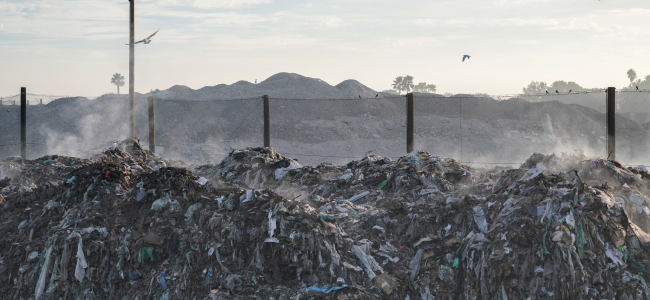
Cutting down on plastic packaging (even if you don’t eliminate it altogether) can help your company combat these issues and demonstrate your dedication to the planet.
Benefits of Transitioning to Zero Waste Packaging
In addition to the positive environmental impacts, there are several other benefits your company can experience by transitioning to zero-waste packaging and committing to a zero-waste-to-landfill mission. Here are some additional benefits to keep in mind:
● Avoid spending extra money to ship packages that are too large for your products
● Enhance your brand with new packaging that aligns with your mission and values
● Gain support from consumers who want to buy from businesses that care about the environment
Furthermore, zero-waste packaging can also help your customers achieve their own goals of being more eco-friendly. Purchasing from businesses that use sustainable packaging will support them in their efforts to minimize waste, which further benefits the planet.
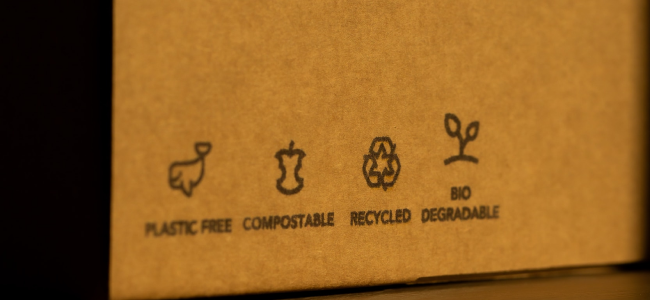
How to Switch to Zero Waste Packaging
There are lots of ways to begin your company’s zero-waste packaging journey. If you’re not sure where to start, consider the following suggestions:
Introduce Multi-Use Packaging
As the name suggests, multi-use packaging can be reused for a different purpose after your customer has unboxed their new time.
Some brands provide instructions explaining how their boxes can be repurposed as toys, playhouses (in the case of Traeger Grills), etc.
Brainstorm options that are relevant to your target audience and include them with your packages. Invite them to take pictures of their creations and share them on social media (while tagging your brand, of course) as well.
Prepare for Potential Returns
Returns aren’t great for the environment (they contribute to 27 million tons of carbon dioxide emissions each year), but they happen sometimes. To minimize the environmental impact of product returns, allow customers to reuse their delivery packaging for their returns.
Many clothing companies use this approach, including adhesive strips on their packages so the customer can reseal the bag and ship it back without using any more plastic, cardboard, etc.
Be sure to include clear instructions on reusing the package so people understand that they have the option (and don’t accidentally rip the package in a way that prevents them from reusing it).
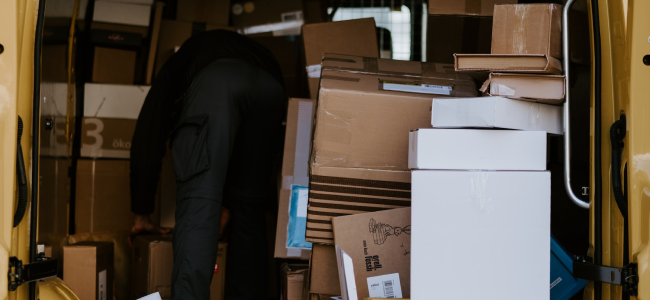
Create an Incentive Program
Another way to reduce waste is to create a program incentivizing customers to drop off old packaging rather than throwing it in the trash.
For example, you could start a program that gives people points that they can save up for a discount on a future purchase or a free gift. You can also provide exclusive offers only available to those who utilize your drop-off program.
Drop-off incentive programs are especially beneficial for brands that have brick-and-mortar stores. That way, people don’t have to worry about standing in life at the post office or another delivery service to send back their packages.
Use Different Materials
Last but not least, consider using different materials for your packaging. Eliminate plastic altogether and switch to one of these more eco-friendly options:
Corrugated Materials
Corrugated cardboard consists of thick paperboard and a fluted middle layer that provides extra strength. Cardboard boxes are famously made using corrugated cardboard, making them a staple for shipping a whole host of items varying in a great range of sizes.
These recyclable materials work very well for shipping fragile and heavy items, including glass. They’re affordable and customizable, too. Whether you need cardboard boxes and postal boxes, or corrugated cardboard rolls or sheets - it's a great protective, sustainable, and affordable material choice used across many popular packaging ranges.

Canvas Bags
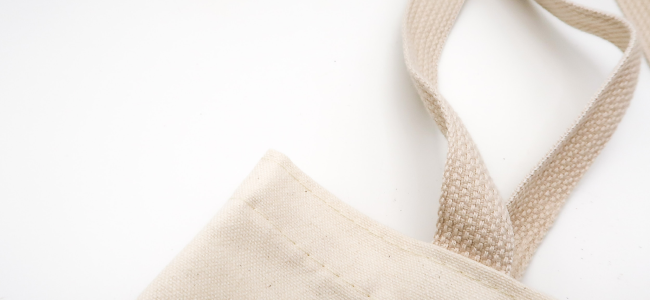
Canvas bags are easy for consumers to reuse as shopping bags, gift bags, totes, and more. They also offer great branding opportunities because you can easily add your logo and colors to customize them.
Mushroom, Seaweed, or Bamboo-based Packaging
Packaging made from materials like mushrooms, seaweed, and bamboo is compostable and biodegradable. It can also be molded into virtually any shape.
If you’re looking for a more eco-friendly option that won’t sit in a landfill for years, these packaging materials are excellent alternatives.
Tips for Choosing Zero Waste Packaging Options
As you can see, there are lots of ways to level up your packaging and make it more environmentally friendly.
If you’re not sure which zero-waste packaging options to use for your products, start by asking yourself the following questions:
● What shipping concerns do I have for my products? Are you worried about fragile items breaking in transit? Do you need to worry about potential leaks?
● What will be most beneficial to my customers? Your customers’ ages, interests, etc., can influence the type of packaging you use. For example, kids might appreciate dual-purpose packaging they can use to create a new toy or game.
● Will this packaging change my prices? Some reusable packaging materials can be more expensive than plastic alternatives. Consider if the switch will add to your shipping costs (and if your customers will be willing to pay that extra amount).
Whichever option you choose, be sure to monitor performance and make adjustments as needed. For example, if customers complain about your new packaging, you may need to go back to the drawing board and try something different.
Start Your Zero-Waste Journey Today
Transitioning from plastic packaging to more planet-friendly options can be challenging at first. In the long run, though, it benefits your business, your customers, and the Earth.
Start with the guidelines discussed above (and remember that small changes add up to significant results).


