





Whether you're packing your first hundred orders or rethinking the packaging operation of an established warehouse, this guide covers it all. We'll walk you through the different types of cardboard box, how to choose the right one for your product and budget, what all that technical terminology actually means, and how to keep your packaging as sustainable as your business aspires to be.
No fluff. No jargon you don't need. Just genuinely useful information.
1. What is a cardboard box, exactly?
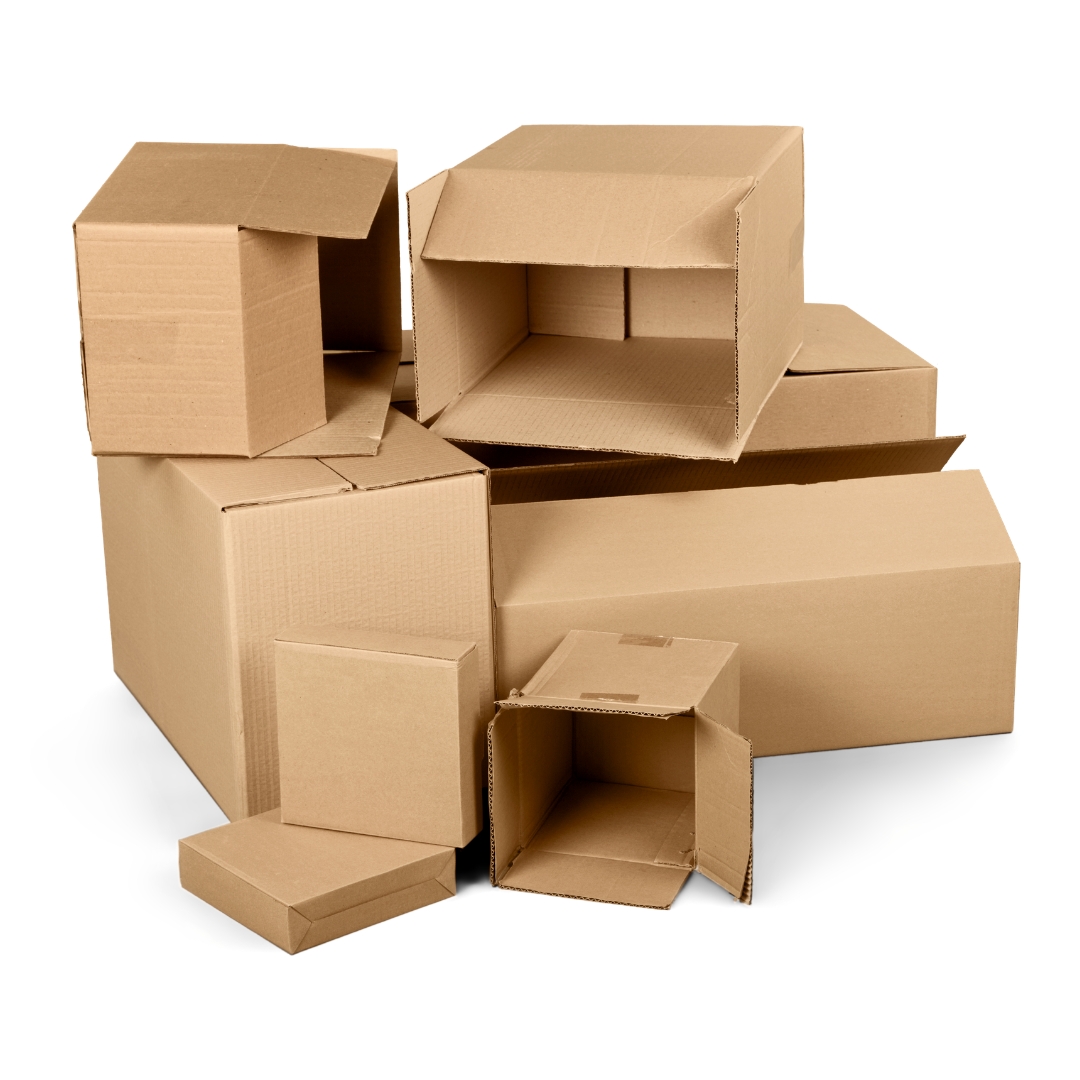
It sounds like a silly question, but "cardboard box" is a catch-all term that covers a surprisingly wide range of products. In the packaging world, most boxes are made from one of two materials:
Corrugated cardboard — the stuff with the wavy inner layer (called the flute). This is what most people picture when they think of a shipping box. It's strong, lightweight, and endlessly recyclable.
Solid board (or greyboard) — a denser, heavier card with no internal flute. More often used in retail packaging, gift boxes, and presentation packaging.
For the purposes of this guide, we're focusing primarily on corrugated cardboard boxes — the workhorse of ecommerce and business-to-business despatch.
2. Types of cardboard box
There's more variety in the cardboard box world than most people realise. Here's a full overview of the main types, what they're best for, and whether you'll need tape to seal them.
3. Box styles: understanding FEFCO codes
FEFCO (European Federation of Corrugated Board Manufacturers) codes are a standardised international system for describing box construction styles — a common language used by packaging suppliers, designers, and buyers worldwide. Whether you're specifying at volume or just exploring your options, knowing the code helps you get exactly the right box. We stock a variety of FEFCO styles including the 0201 Regular Slotted Carton, the 0427 Crash Lock, the 0207 Bottle Box, and more — browse the table below to find the right construction for your needs.
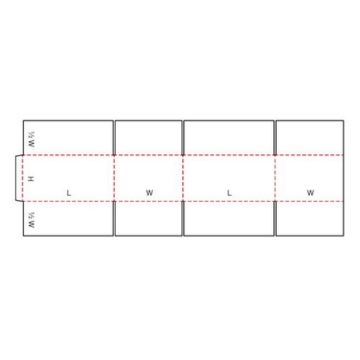
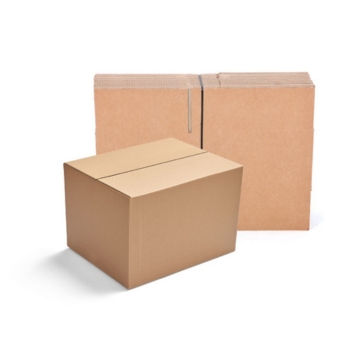
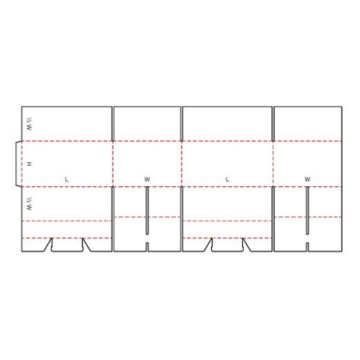
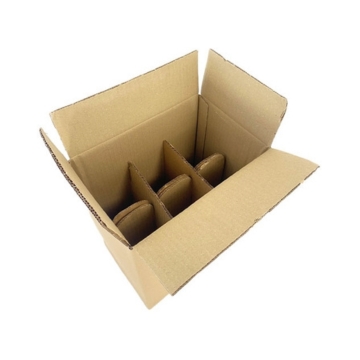
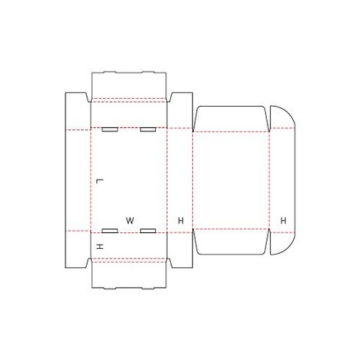
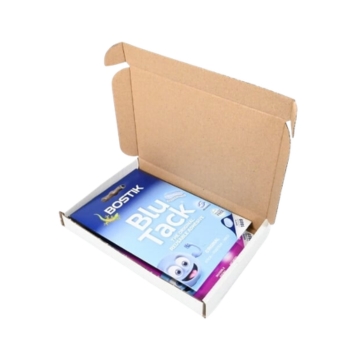
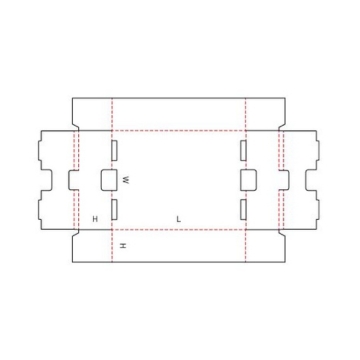
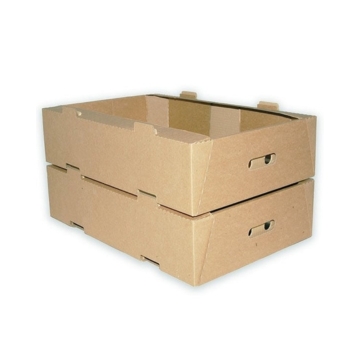
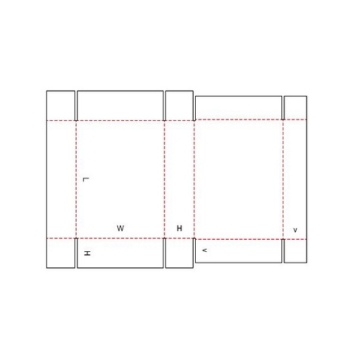
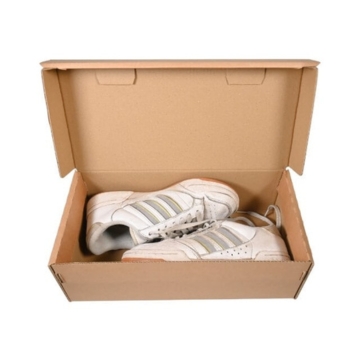
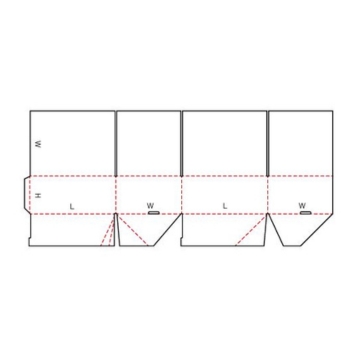
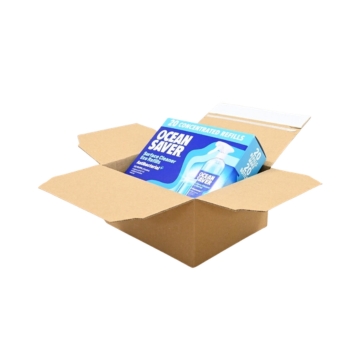
There are dozens of other FEFCO styles covering everything from trays to wraparound blanks. For reference, the full catalogue is published by the European Federation of Corrugated Board Manufacturers — view the full FEFCO box style range.
Need a specific FEFCO style or a custom box?
If you have specific requirements or can't find the construction you're looking for, our team is happy to help.
4. Understanding flute grades and box strength
The flute is the corrugated wave sandwiched between the flat liner sheets. Flute grade affects everything from cushioning and compression strength to board thickness and print quality — so it's worth understanding before you buy.
Flute grades explained
B flute — thin, rigid, print-friendly
Excellent print surface. Common in retail and display packaging where appearance matters as much as protection.
Shop B flute boxes →C flute — the most widely used
A solid all-rounder offering good compression strength and a reasonable surface finish. The default choice for most despatch boxes.
Shop C flute boxes →E flute — very fine, slim profile
Used where a slim board profile matters more than heavy-duty strength. Common in postal and premium retail packaging.
Shop E flute boxes →BC double wall — heavy-duty strength
Combines B and C flute for extra rigidity and stacking strength. The go-to for heavier items or anything fragile that needs maximum protection.
Shop BC double wall boxes →BE double wall — strength with a finer finish
Strong but with a finer surface finish than BC. A good option where you need double wall strength alongside better print quality.
Shop BE double wall boxes →EB double wall
Similar to BE but with a slightly different compression profile. Suitable for applications requiring double wall rigidity with a fine outer surface.
Shop EB double wall boxes →F flute — ultra fine, premium finish
Extremely fine. Used in high-quality retail and presentation packaging where a very thin, smooth board and excellent print reproduction are required.
Shop F flute boxes →M flute — micro flute, exceptional smoothness
A micro flute offering exceptional surface smoothness and print quality. Used in premium packaging applications where appearance is paramount.
Shop M flute boxes →As a general rule: the larger the flute, the more cushioning and compression strength. The smaller the flute, the better the print surface and the slimmer the board profile.
Strength ratings: what the numbers mean
You may also see boxes described using technical strength ratings — particularly if you're specifying at volume or have specific protection requirements:
BCT — Box Compression Test
Measures how much downward weight a box can take before collapsing. The most relevant measure for stacking in storage or on pallets.
ECT — Edge Crush Test
Measures resistance of the board's edge to crushing. A useful indicator of stacking strength and pallet performance.
Mullen Burst Strength
Measures how much pressure the box wall can withstand before rupturing. More relevant for rough-handling and transit scenarios.
Have specific technical requirements?
If you need boxes to meet particular BCT, ECT, or Mullen burst specifications, our expert team can help. We work with businesses of all sizes to find the right solution.
5. Box sizing: how to measure correctly
Box dimensions are always quoted in the order Length × Width × Height (L × W × H), measured as internal dimensions. This is the space available for your product — not the outside of the box.
Internal vs external
Board thickness adds around 4–6mm per wall to external dimensions. Worth bearing in mind for tight pallet configurations.
Overfill and underfill
A box packed too loosely risks damage. Too full and it may burst. Aim for a snug fit with room for void fill.
Stock sizes vs made-to-measure
Standard sizes offer the best value per unit. Made-to-measure becomes economical at volume when your product doesn't fit standard sizes.
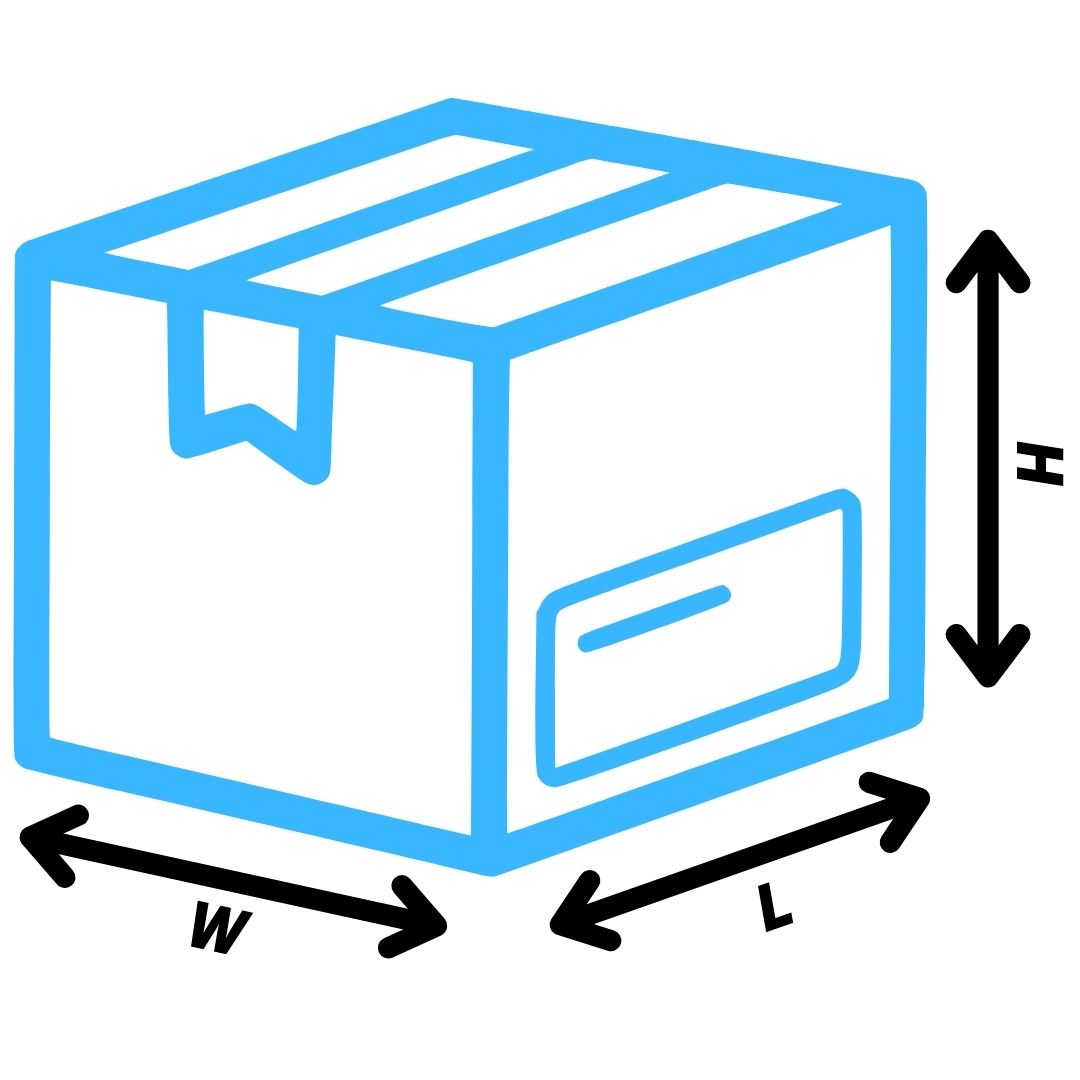
📐 Already know your dimensions?
Use our search-by-size tool to find boxes that match your exact internal measurements — enter your L × W × H and we'll show you every size we stock that fits.
6. How to choose the right box for your product
Run through these questions before committing to a box.
How heavy is the product?
Anything over around 10kg should go in a double wall cardboard box. For lighter items, single wall cardboard boxes are usually fine.
How fragile is it?
Fragile items benefit from a deeper flute for cushioning and a snug fit to minimise movement. Pairing the right box with the right void fill makes a real difference — see our protective packaging guide for more.
What's the journey like?
A parcel going via a next-day courier is handled less than one going through a standard postal network. International despatch warrants more protection.
Does it need to hit a Royal Mail size band?
If you're sending via Royal Mail, your packed box dimensions directly affect what you pay. Getting it wrong can cost up to 40% more per item. Use the links below to shop by Royal Mail postal size — or read our Royal Mail size guide for full thresholds.
Does the box need to look good — and open well?
The moment a parcel arrives is often the first time your customer interacts with your brand in the physical world — it's a genuinely important touchpoint. A box that's hard to open or arrives looking battered says something about your brand. Look for options with an easy-open tear strip for a frustration-free unboxing experience. Consider what's inside too — tissue paper, a handwritten note, or a well-placed offer can turn a functional delivery into a memorable one. Browse our postal boxes for a more polished despatch.
How quickly are you packing?
If speed is critical, pop up cardboard boxes (crash lock) or peel-and-seal options save meaningful time at scale. For more on optimising your packing operation, see our ecommerce packing tips.
Are you despatching at scale?
If you're running a high-volume operation, a standard off-the-shelf approach may not be the most efficient or cost-effective way to operate. Our team works with businesses of all sizes to build packaging solutions that minimise costs, increase efficiency, and eliminate stock outages. Talk to our team about large-volume packaging →
7. Sustainability and cardboard boxes
Cardboard is one of the most sustainable packaging materials available — and not in a token, marketing-box-ticking way. Here's why it genuinely stacks up:

Recyclability
Corrugated board recycling rates in the UK consistently run above 80% — higher than almost any other packaging material.1
Recycled content
Most corrugated cardboard already contains significant recycled fibre. The cycle from used box to new box can happen in as little as 14 days.
Biodegradability
Unlike plastic alternatives, cardboard breaks down naturally and won't persist in the environment for centuries.
FSC certification
FSC-certified boxes mean any virgin fibre content has been sourced from responsibly managed forests. It's independently verified — not just a self-declared claim.2
Right-sizing
The most sustainable box is one that fits your product well. Oversized boxes mean more material, more void fill, and more wasted space on the van.
EPR compliance
If your business places packaging on the UK market, understand your obligations. Our UK EPR for packaging guide covers what you need to know.
8. Buying cardboard boxes: what to consider
Volume and storage
Boxes get cheaper per unit at higher quantities, but you need somewhere to put them. Factor in your storage capacity alongside monthly usage before committing to a large buy.
Lead times
Standard stock sizes are usually available for next-day or two-day delivery. Custom sizes need more lead time — typically two to three weeks from artwork sign-off.
Quality consistency
If you're ordering regularly, consistency matters. A box that varies slightly between batches can cause problems on automated packing lines.
Supplier values
If sustainability is important to your business, check whether your supplier walks the talk. Look for recycled content, responsible sourcing, and genuine environmental commitments — not just marketing copy. As a certified B Corp, these things are baked into how we operate at Priory Direct.
Running a large-volume despatch operation?
If you're despatching at significant volume, there may be meaningful efficiency and cost gains available. Our team can build a dedicated supply arrangement around your operation — improving efficiency, reducing per-unit costs, and making sure you never run out at the wrong moment.
9. Common mistakes to avoid
❌ Choosing on price alone
A cheaper box that causes even a small increase in damage rates will cost you more overall. Factor in product replacement, returns handling, customer service time, and reputational impact.
❌ Ignoring the weight of your product
Single wall boxes have limits. Check the weight guidance for any box before you commit — what looks fine on paper can fail badly in transit.
❌ Overlooking postal size bands
A box even a few millimetres over a Royal Mail threshold moves you into the next price band. Our Royal Mail size guide makes it easy to check before you buy.
❌ Forgetting about the unboxing experience
For consumer-facing brands, the moment a customer opens a parcel is a marketing moment. A box that's hard to open or arrives looking battered says something about your brand — just not the right thing.
❌ Stockpiling too many sizes
Most businesses can cover the vast majority of their products with three or four well-chosen box sizes. A proliferation of sizes adds complexity, storage requirements, and packing errors.

Cardboard boxes at Priory Direct
We stock a wide range of corrugated boxes across every application — from everyday single wall despatch boxes to specialist options for wine, flowers, and fresh produce — all available for fast UK delivery.
All made from recycled and responsibly sourced materials. And as a certified B Corp, sustainability isn't something we bolt on at the end — it's part of how we do business.
Shop all cardboard boxesRelated guides
References
- Confederation of Paper Industries — UK corrugated board recycling statistics
- Forest Stewardship Council (FSC) — fsc.org
- FEFCO — European Federation of Corrugated Board Manufacturers — fefco.org
As a certified B Corp, Priory Direct supplies sustainable packaging to over 16,000 businesses across the UK. Get in touch if you need help choosing the right box for your product or operation.


